More work
Things made for their own sake
Alex Paints is one part of a broader creative practice that includes music, visual identity, packaging and live events.
Explore the Stillhead story Back to all work
Growing Alex Paints from a few miniature-painting videos into an audience of nearly 20,000 - without letting the algorithm decide what it should become.
I started streaming miniature painting on Twitch after moving to Perthshire. Almost nobody watched, but it introduced me to other painters, and somebody suggested making YouTube videos answering the questions that kept coming up.
The first ones were deliberately tiny. Two minutes. One useful thing. No enormous introduction or desperate plea to smash the like button.
People started watching.
I bought one of Games Workshop's Space Marines starter paint sets and wondered how good a miniature I could paint using only what came in the box.
Apparently quite a lot of other people wondered the same thing.
What Can You REALLY Do With The Space Marines Infernus + Paints Starter Set? became by far the biggest video on the channel.
At the time of writing, it's been watched almost 500,000 times.
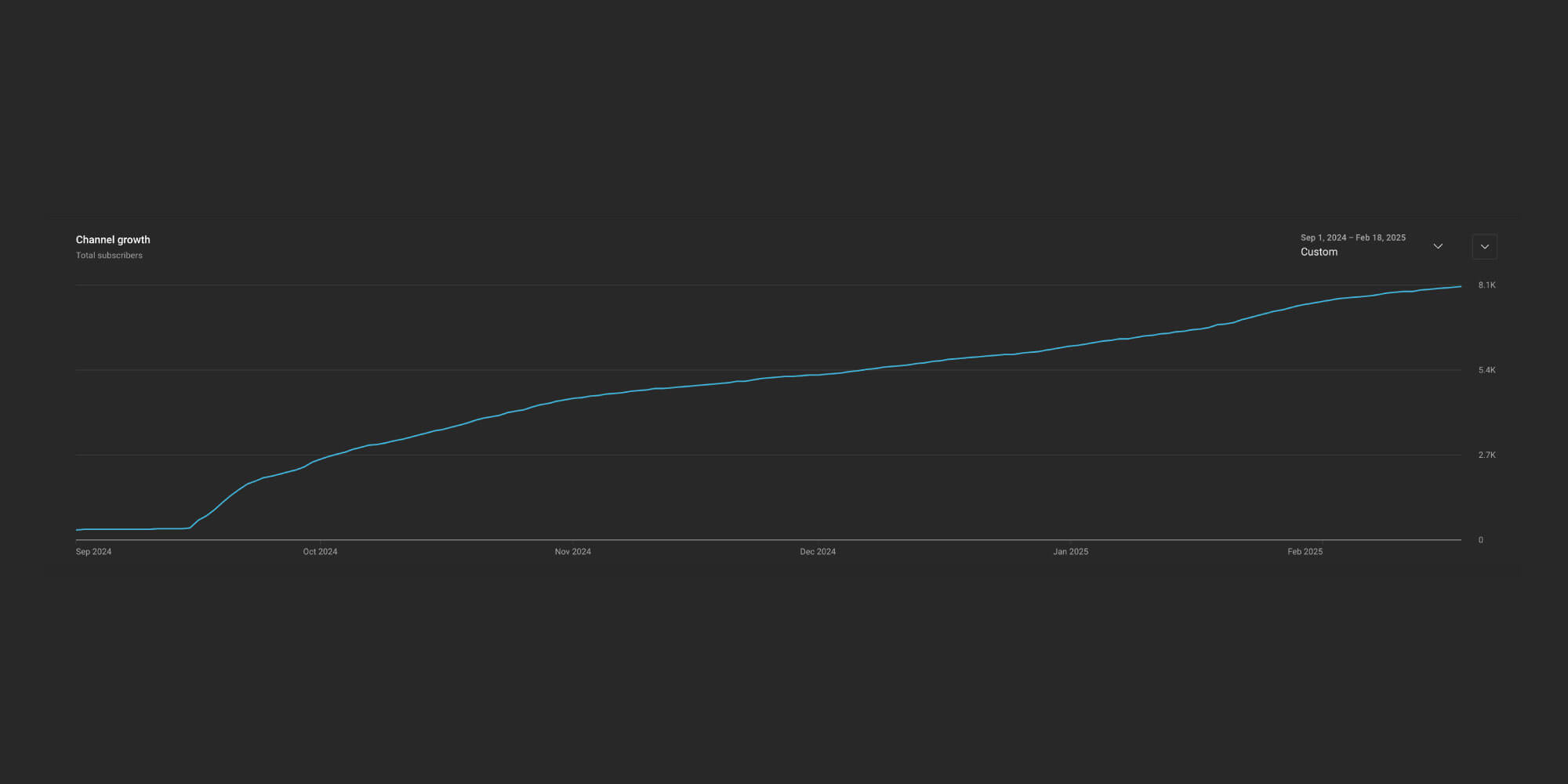
The channel grew with it.
Running the channel taught me fairly quickly what YouTube likes.
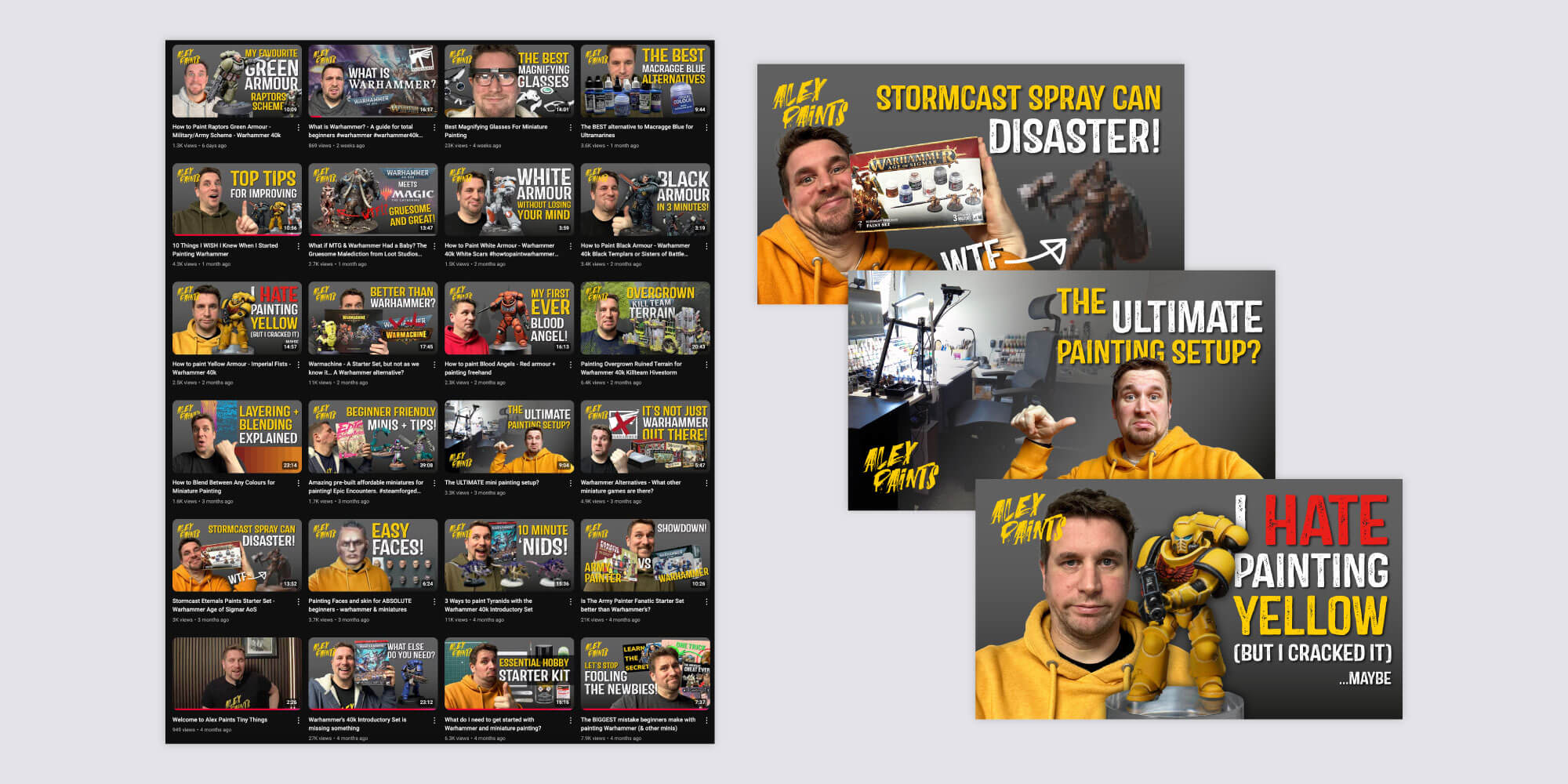
Beginner content. Searchable questions. Product reviews. Recognisable miniatures.
And, above almost everything else, Space Marines.
I could see it in the numbers. Starter sets brought people in. Basic tutorials performed well in search. Videos about equipment could keep accumulating views long after they were published.
And I got pretty good at understanding titles, thumbnails, search intent and the difference between something people were actively looking for and something YouTube might put in front of them.
Which presented a slight problem.
That wasn't really the channel I wanted to make.
As my own painting moved further into display and competition work, the things I wanted to talk about changed too.
I was less interested in making another recipe for painting blue armour and much more interested in the awkward questions around painting.
How do you know when a miniature is actually finished?
What makes something feel like Warhammer?
Why do we get stuck?
What can entering a painting competition teach you?
Why does painting tiny plastic things make us happy in the first place?
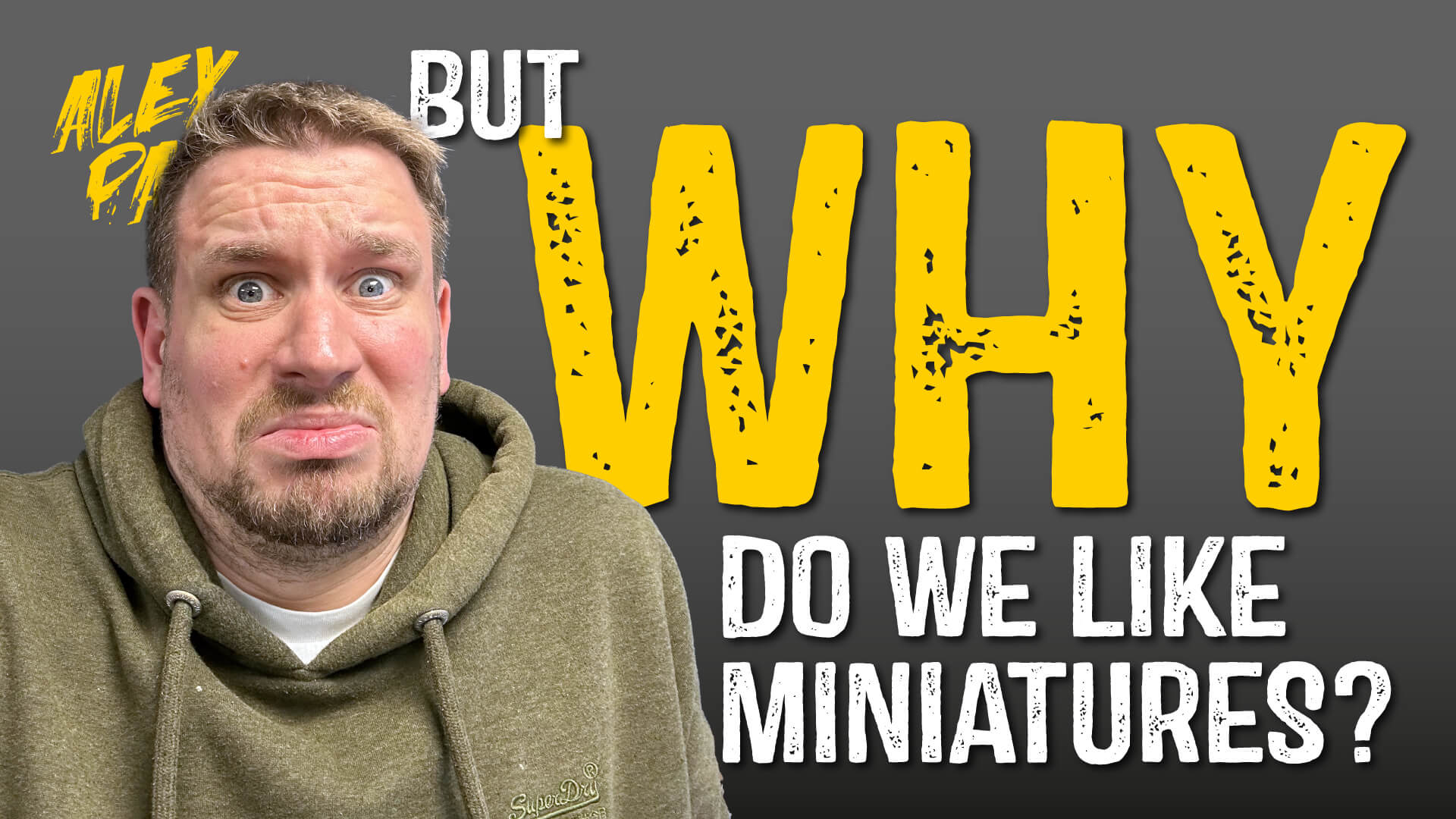
The channel has gradually shifted with me. These aren't necessarily the videos that generate the biggest search numbers. They're much closer to what I want Alex Paints to be: thoughtful stuff about getting better, making things and why we bother doing any of it, with some jokes about tiny plastic men along the way.
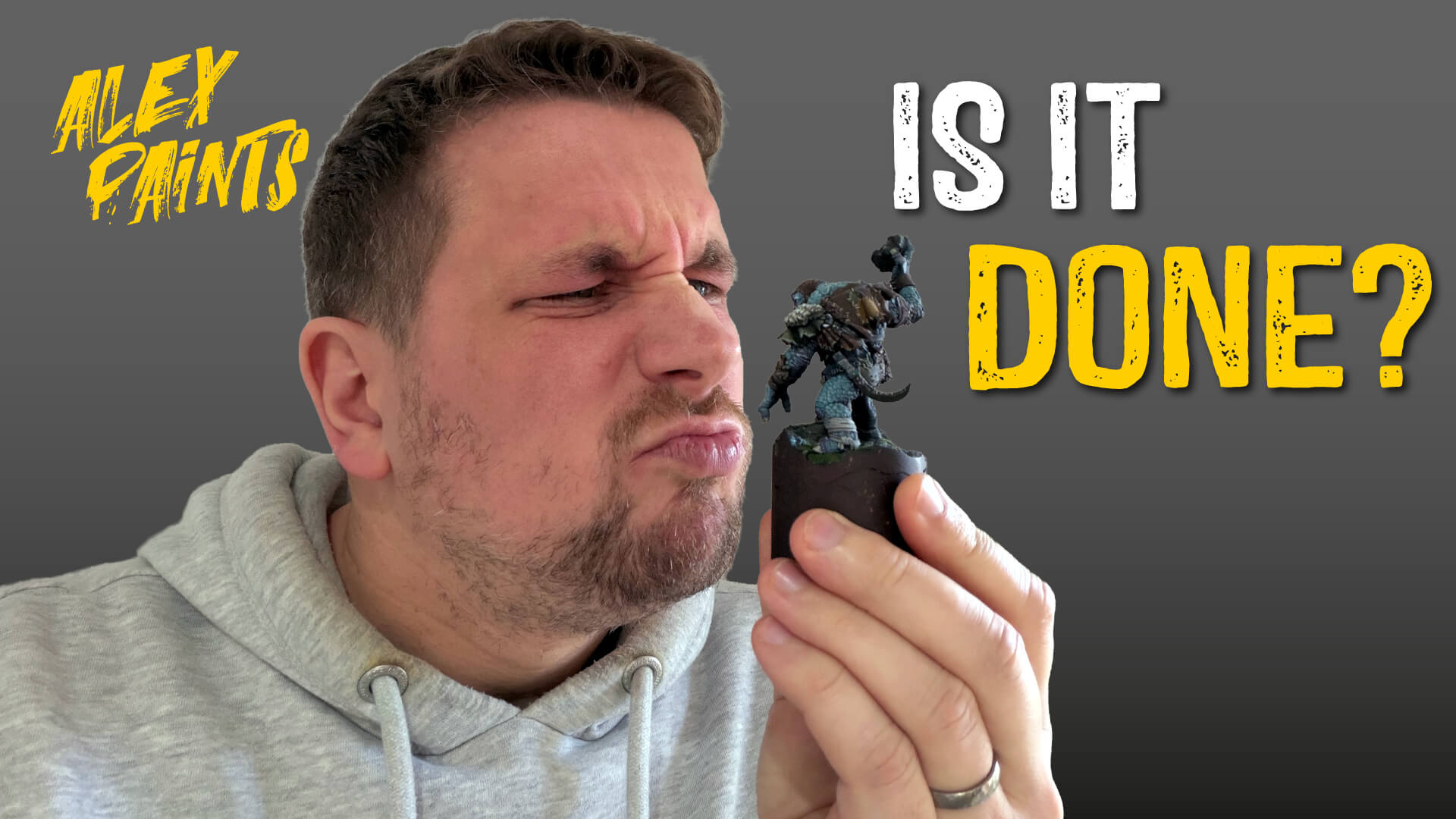
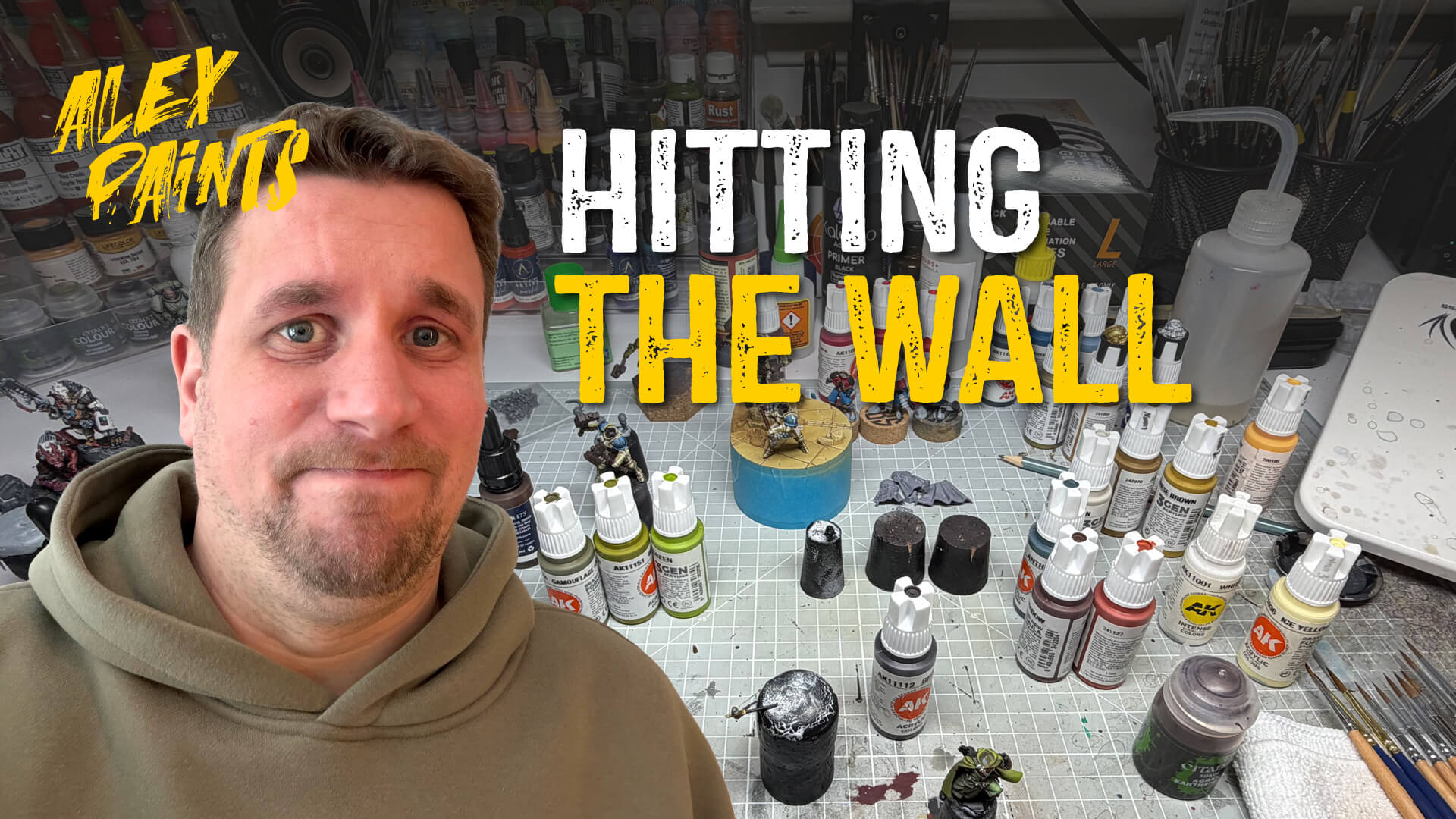
Around half my viewers now find the channel through YouTube's browse features, with search bringing roughly another fifth.
I use that understanding to give each video a better chance: a clear idea, a title people understand and a decent thumbnail, but I still decide what's worth making.
I could probably grow the channel faster by making endless Space Marine tutorials and increasingly ridiculous thumbnails.
But then I'd have to make endless Space Marine tutorials and increasingly ridiculous thumbnails.
At the beginning of 2026 I started a monthly series picking out some of my favourite miniature paintjobs I'd seen during the previous month.
Partly because it gave me a regular format. Partly because there are some astonishing painters out there.
And partly because it seemed healthier to use the audience I'd built to point at other people's work occasionally rather than constantly shouting LOOK AT ME into the internet.
The selection is deliberately subjective. I'm not particularly interested in repeating the ten things that already have thousands of likes.
If an incredible piece by a relatively unknown painter catches my attention, I'd much rather give that the space.
Then I get to talk about why I think it works - composition, colour, atmosphere, technique, storytelling, tiny decisions somebody might otherwise have missed.
The nicest evidence that the format works isn't really in the analytics.
It's people coming up to me at painting events and saying:
“You're the guy who does those monthly roundup videos.”
I'll take that.
Alex Paints is essentially a one-person production.
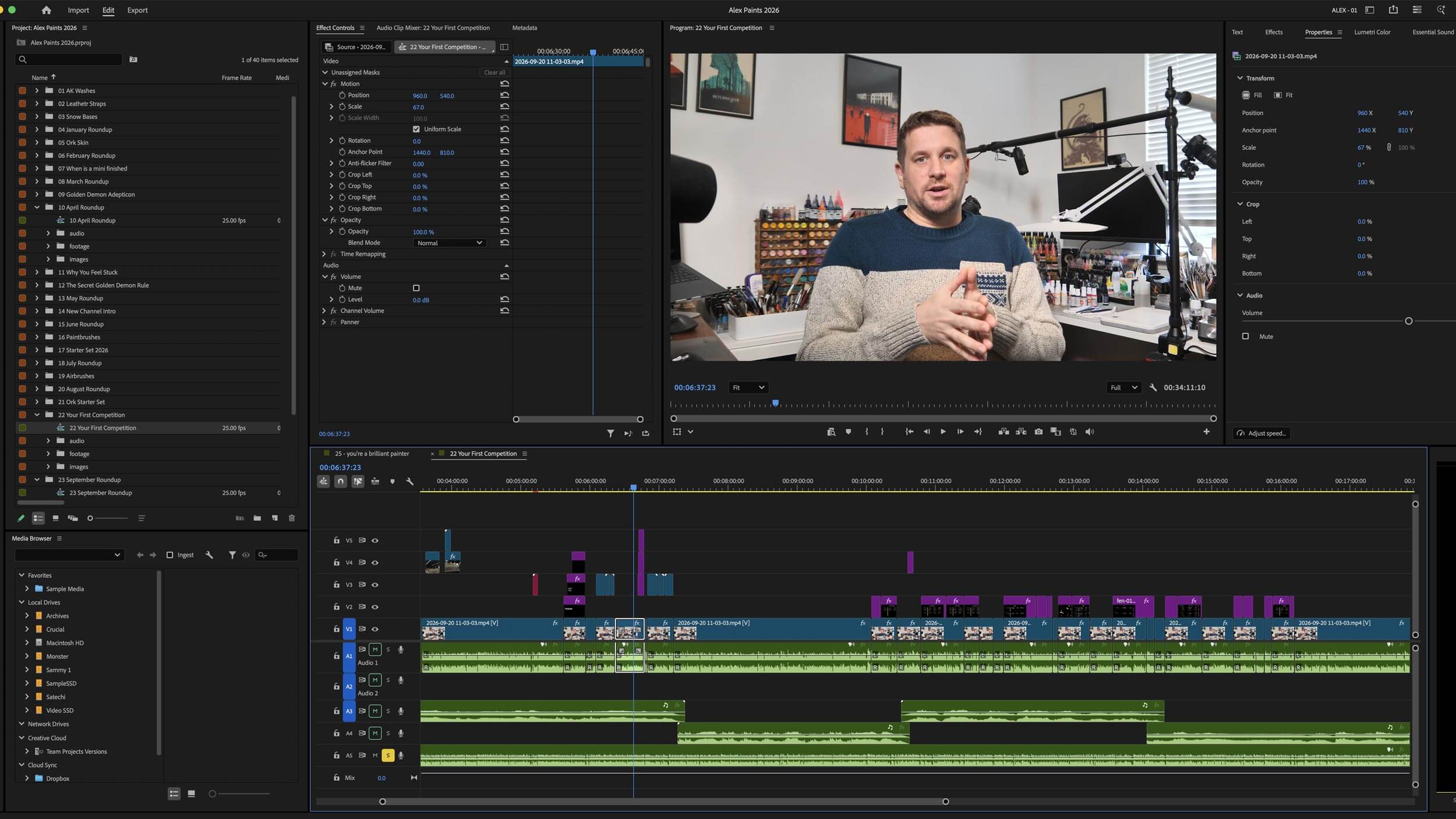
An idea becomes research and notes. Notes become a script. Then I have to paint the thing, photograph it, film myself talking about it, capture the painting footage, record voiceovers, edit everything together, find music, mix the audio, make a thumbnail, work out what to call the bloody thing and convince YouTube that somebody might want to watch it.
Then I publish it. And immediately start worrying about the next one.
I use OBS for capture, Premiere for video editing, Ableton Live for voiceover and audio mixing, and Illustrator for much of the graphic work.
Mostly I've learned that a fifteen-minute YouTube video is a remarkably efficient way of finding several days' worth of work to do.
The name itself started as Alex Paints Tiny Things, which remains the full handle, but Alex Paints was simpler and stuck.
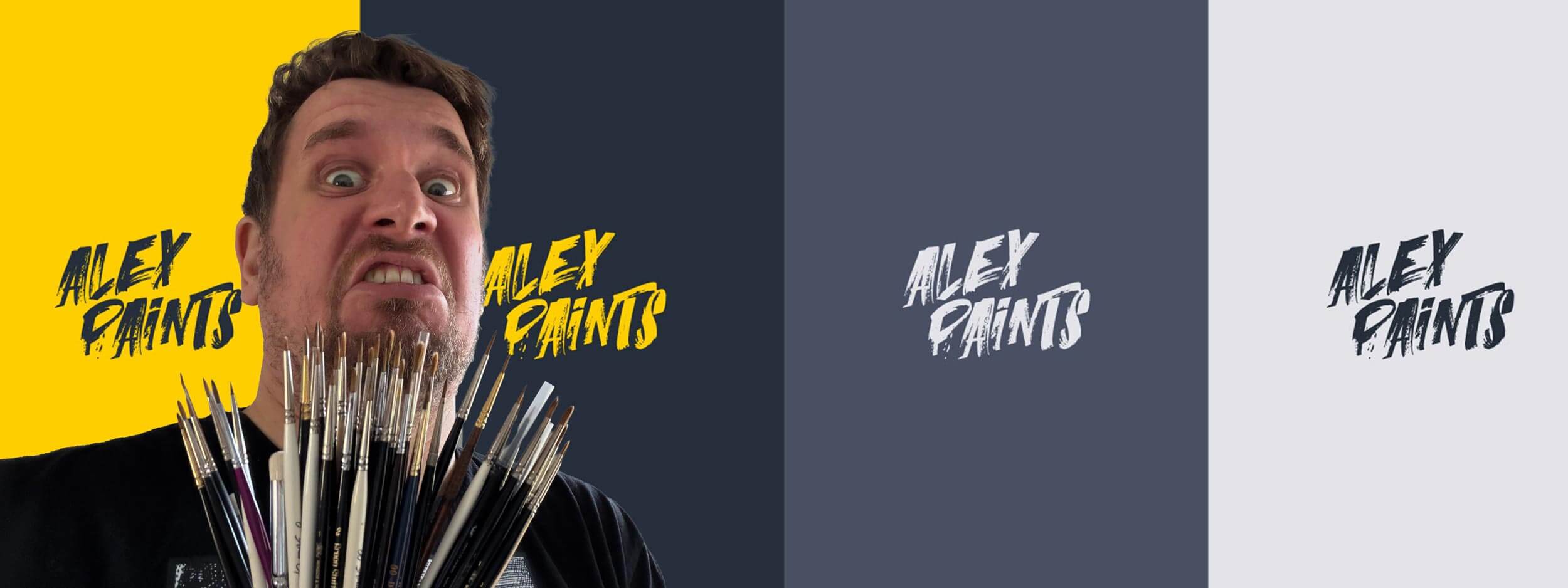
The identity grew around a deliberately rough yellow wordmark, black and navy, and whatever else I needed as the channel developed.
Eventually I added an animated version of the logo and a completely unnecessary choral rendition of “Alex Paints Tiny Things” which now closes the videos.
And somewhere along the way my face became part of the visual identity too.
Which has the slightly strange side effect that people occasionally recognise me in real life.



As the audience grew, companies in the miniature-painting world started getting in touch.
Some wanted sponsorships. Some wanted reviews. Some wanted collaborations. Some wanted to send me laser engravers and power tools for reasons I've never entirely understood.
I've deliberately kept the commercial side selective. Alex Paints isn't my job, which means I have the luxury of saying no when something doesn't fit.
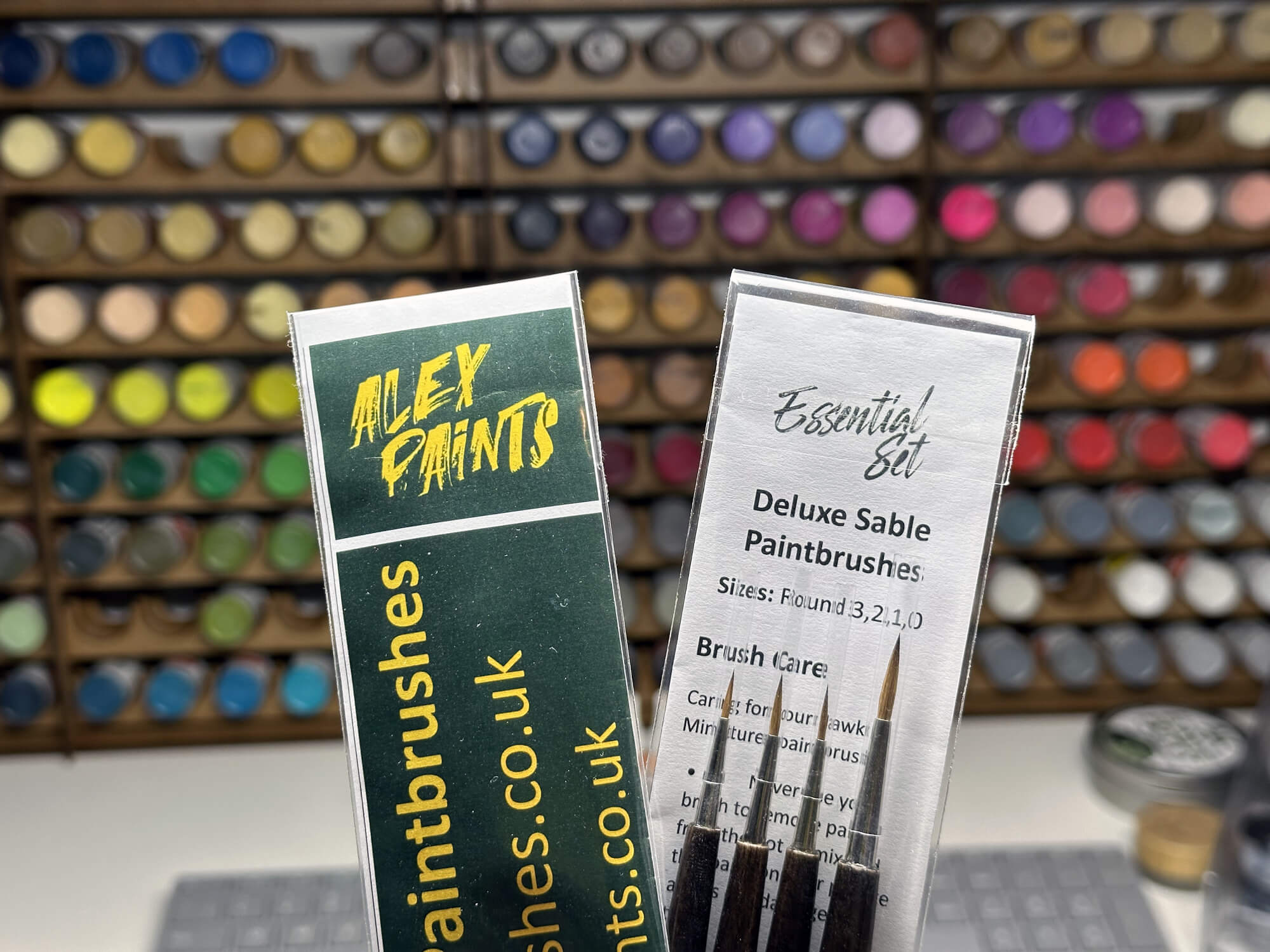
One collaboration that did make sense was with Hawk Miniatures, developing a co-branded Alex Paints brush set.
Seeing something I'd built for myself appear on a physical product somebody else was selling was rather nice.
Even if it did mean the stupid little yellow logo had officially escaped the internet.
In 2024 I started taking competition painting much more seriously.
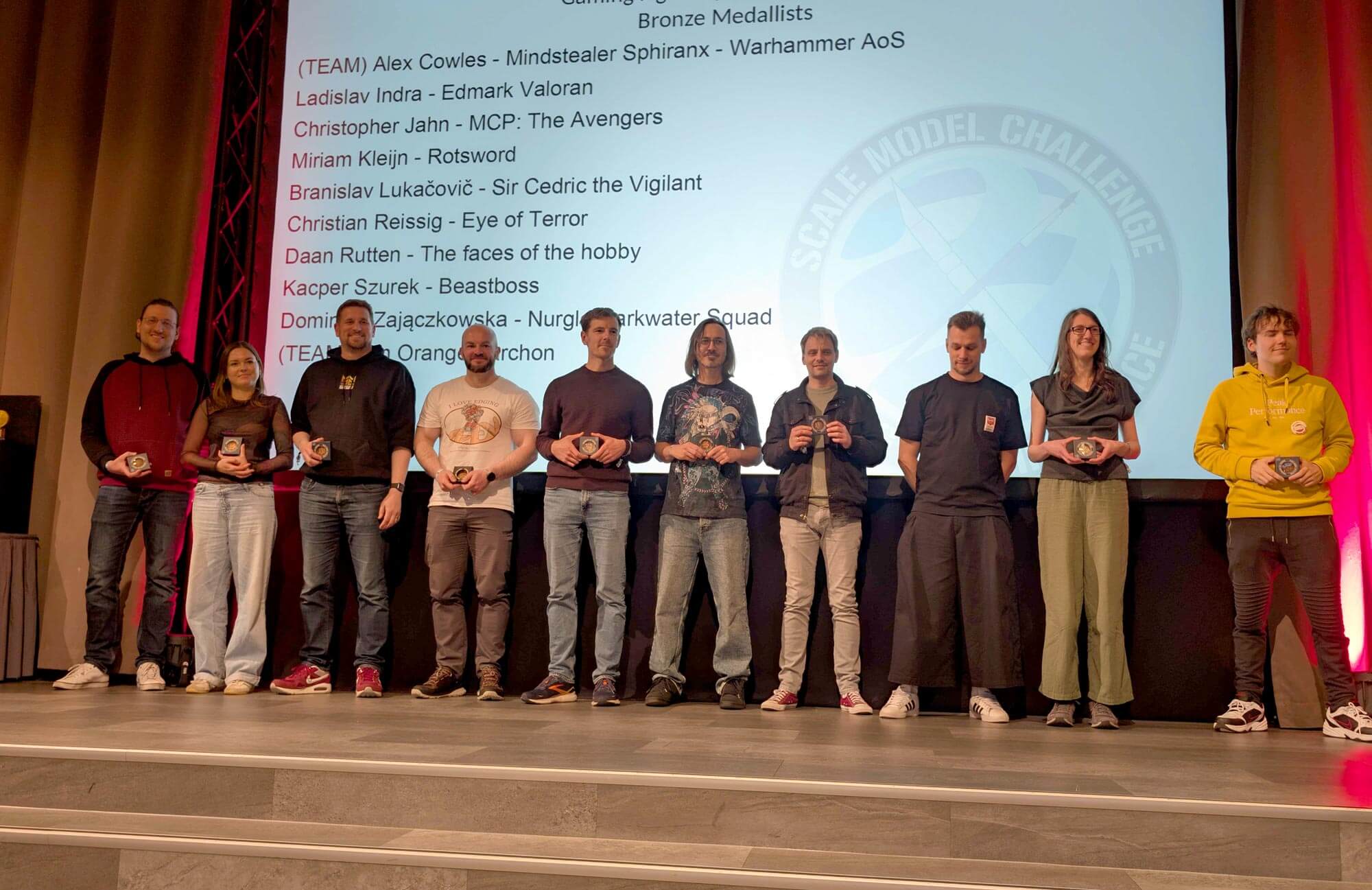
At my first Scale Scotland I came away with two gold awards and Best Sci-Fi/Fantasy.
I've since entered competitions including Golden Demon, travelled to events, spoken to painters and judges I hugely respect and become increasingly interested in what separates a good miniature from a genuinely great one.
That experience has fed straight back into the channel. Not because winning something suddenly makes every opinion correct, but because I have more experience to draw from, better questions to ask and a much clearer idea of the kind of painting I want to talk about.
This is probably the bit I'm proudest of.
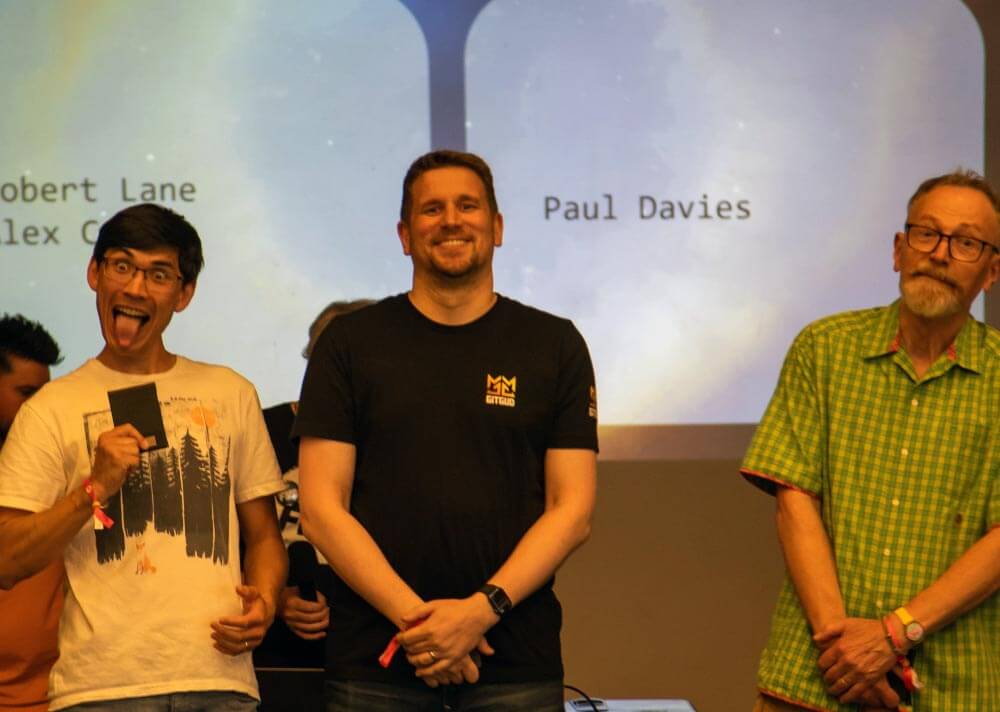
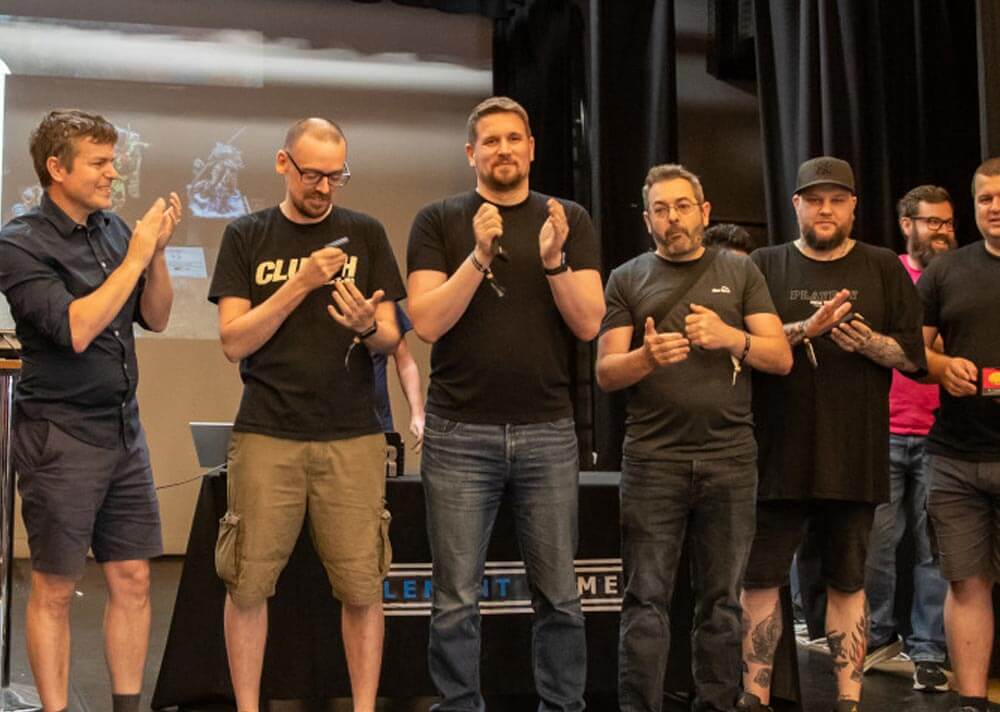
People started coming over to say hello at events. Companies started asking me to work with them. I've been invited to judge painting competitions and deliver workshops.
Painters have asked me for feedback and then come back later to tell me it helped them win something.
And being more visible within the competition-painting community helped lead to my involvement in The Iron Thistle, a new miniature-painting competition and hobby event in Scotland.
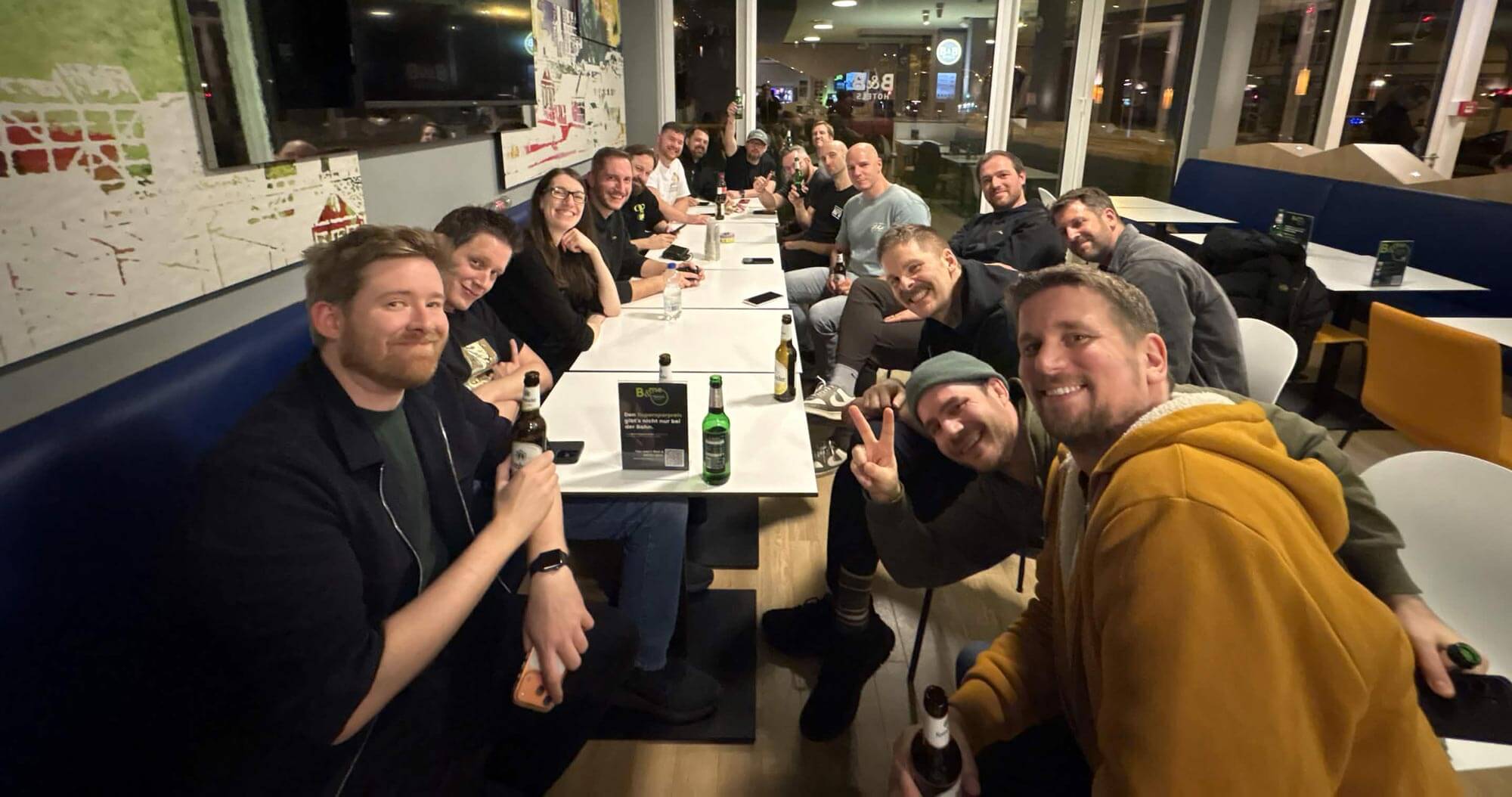
Alex Paints has become A reason to make things, develop a point of view, meet interesting people and become part of a community I genuinely care about.
Alex Paints is one part of a broader creative practice that includes music, visual identity, packaging and live events.
Explore the Stillhead story Back to all work