More work
Things made for their own sake
Cut Records is one part of a broader creative practice spanning music, visual identity, packaging and live events.
Explore the Stillhead story Back to all work
Building an independent record label around emerging electronic artists — from an accidental logo to 63 releases, 14,000 listeners and an experiment in subscription-funded music.
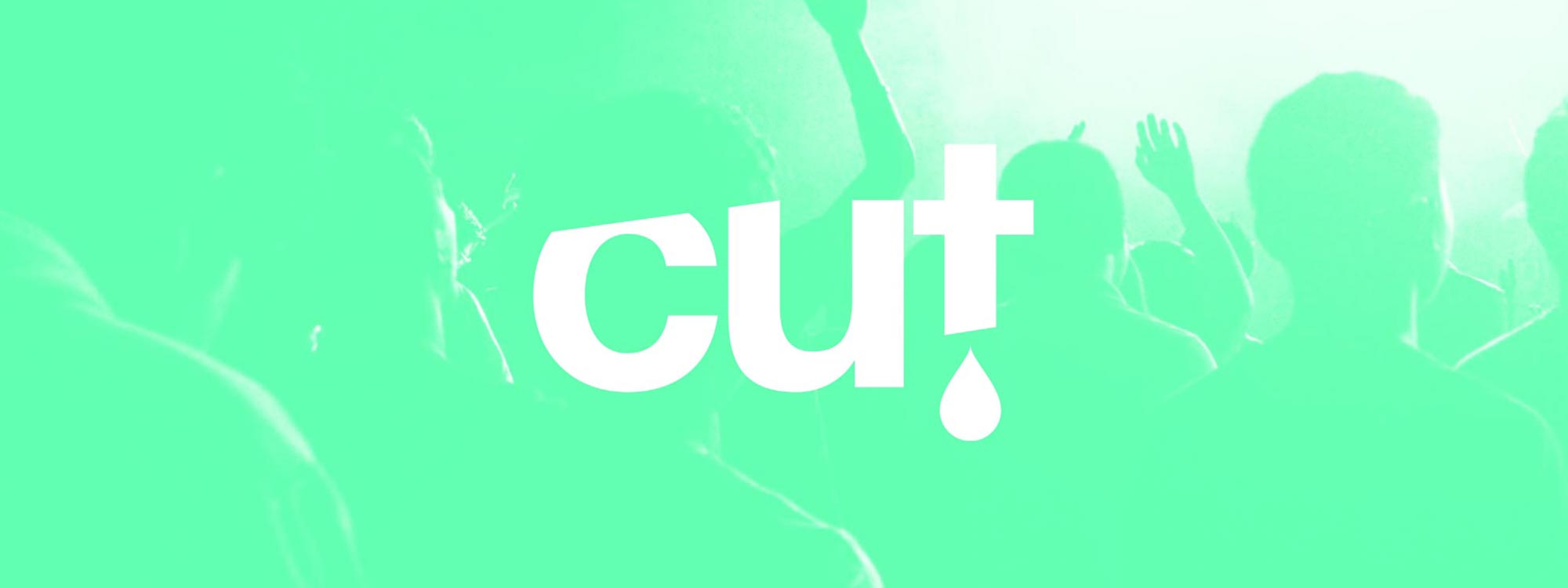
I designed the Cut logo in a cabin in the French Alps, waiting for an enormous plate of tartiflette.
There was no client, no brief and, fairly crucially, no record label.
I liked it enough to start one.

At the time I was already running another small record label, but I'd noticed a gap.
There were properly released records — mastered, packaged, promoted and sold through labels.
And then there was an enormous amount of music that producers simply threw onto the internet for free.
Bad filenames. No artwork. No mastering. No metadata. No real attempt to help anyone discover it.
The music wasn't necessarily worse.
It was just being treated like it didn't matter.
So that became the idea behind Cut.
Find good music that artists were planning to give away anyway and treat it like it was worth something.
Give it proper mastering, artwork, packaging and promotion.
And give the artist an audience.
The first compilation, Cut Volume 1, came out in April 2011.
Over the next three years I released another 17 records from emerging electronic artists including Essáy, Rain Dog, Thefft, Great Skies, Mekha and plenty more.
Every release was available on Bandcamp as pay-what-you-want, or could be downloaded free through the Cut website in exchange for a tweet.
And gradually, the audience grew.
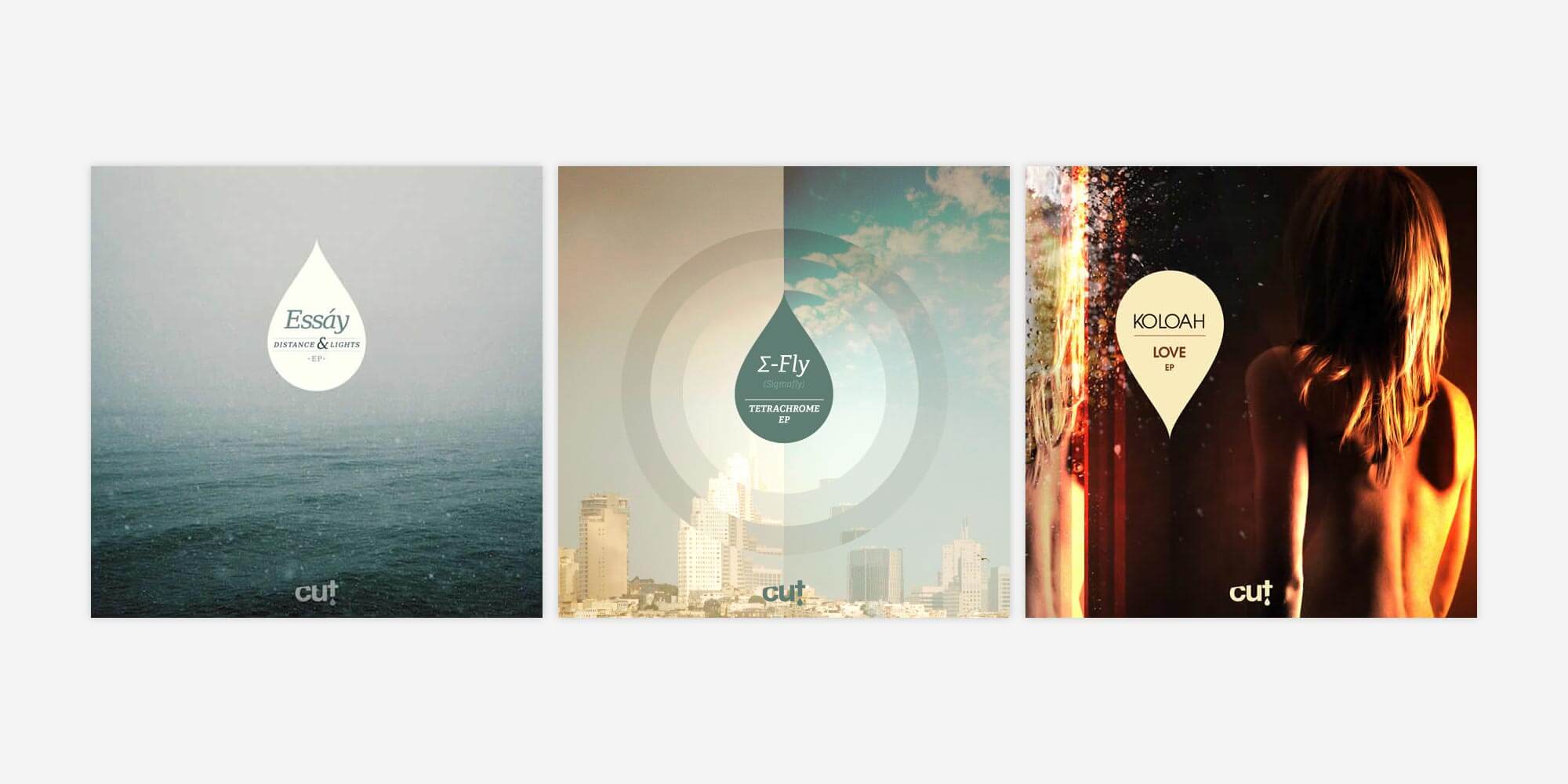
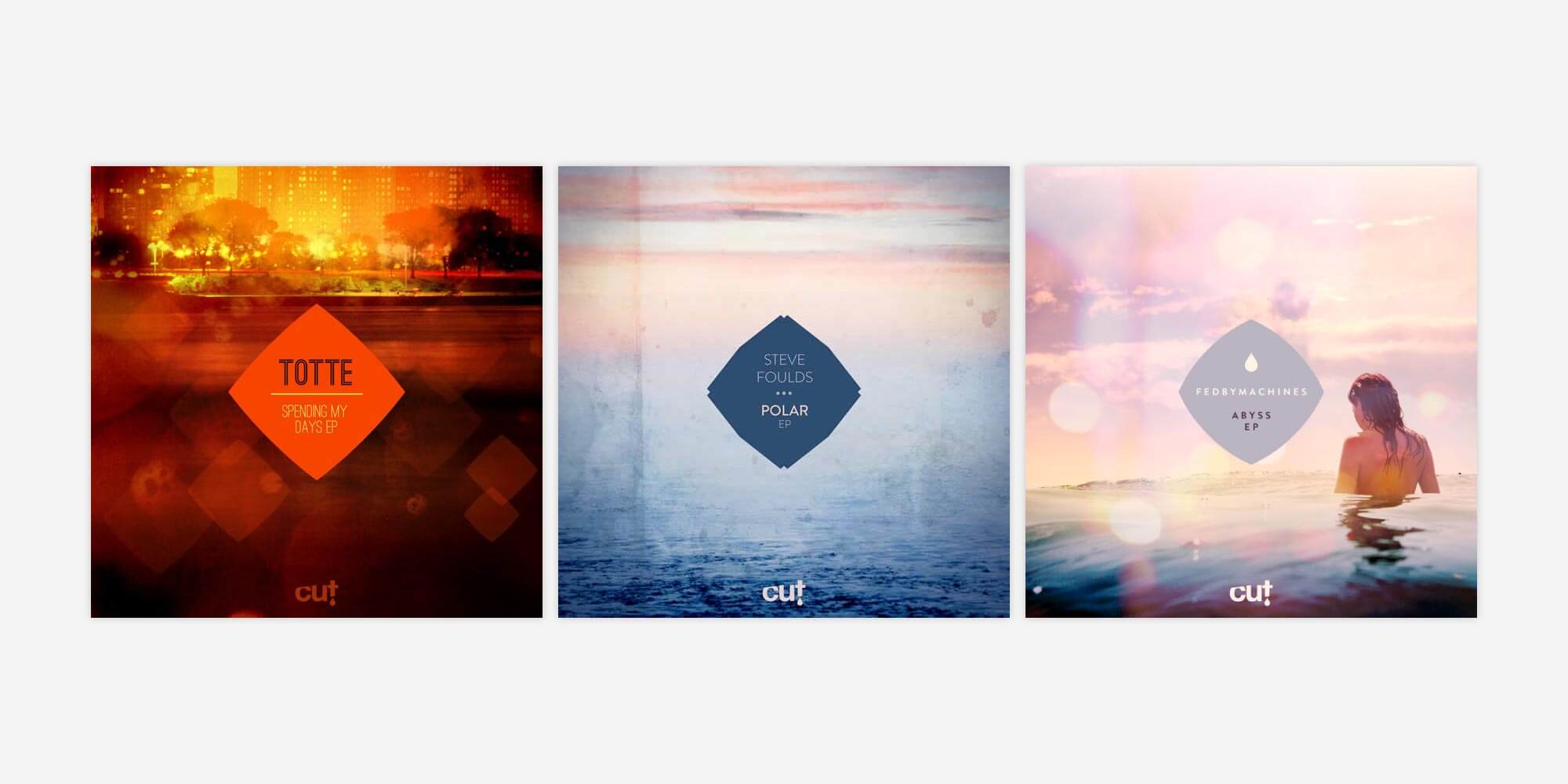
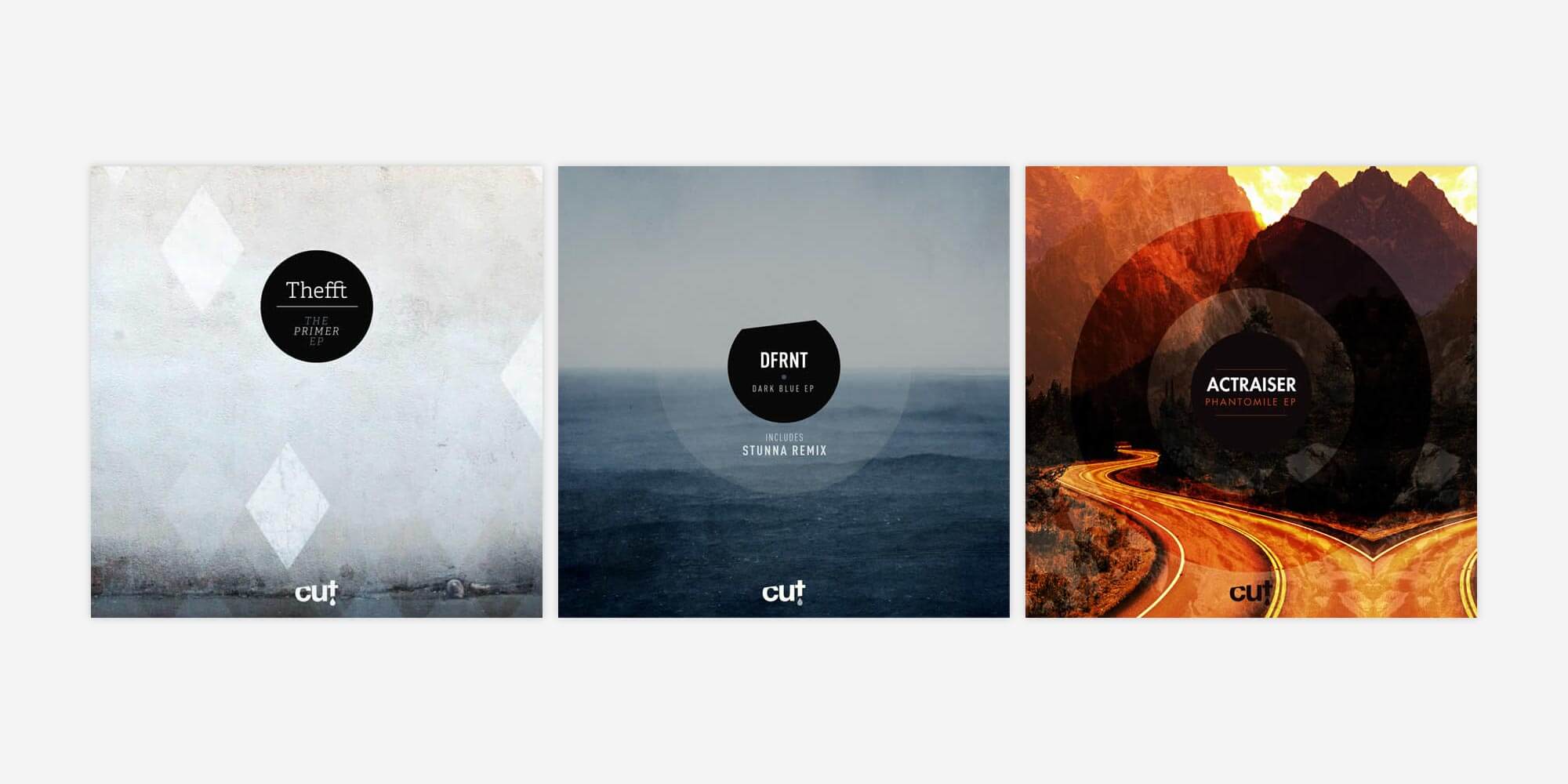


What started as somewhere to put a logo had accidentally become a functioning record label.
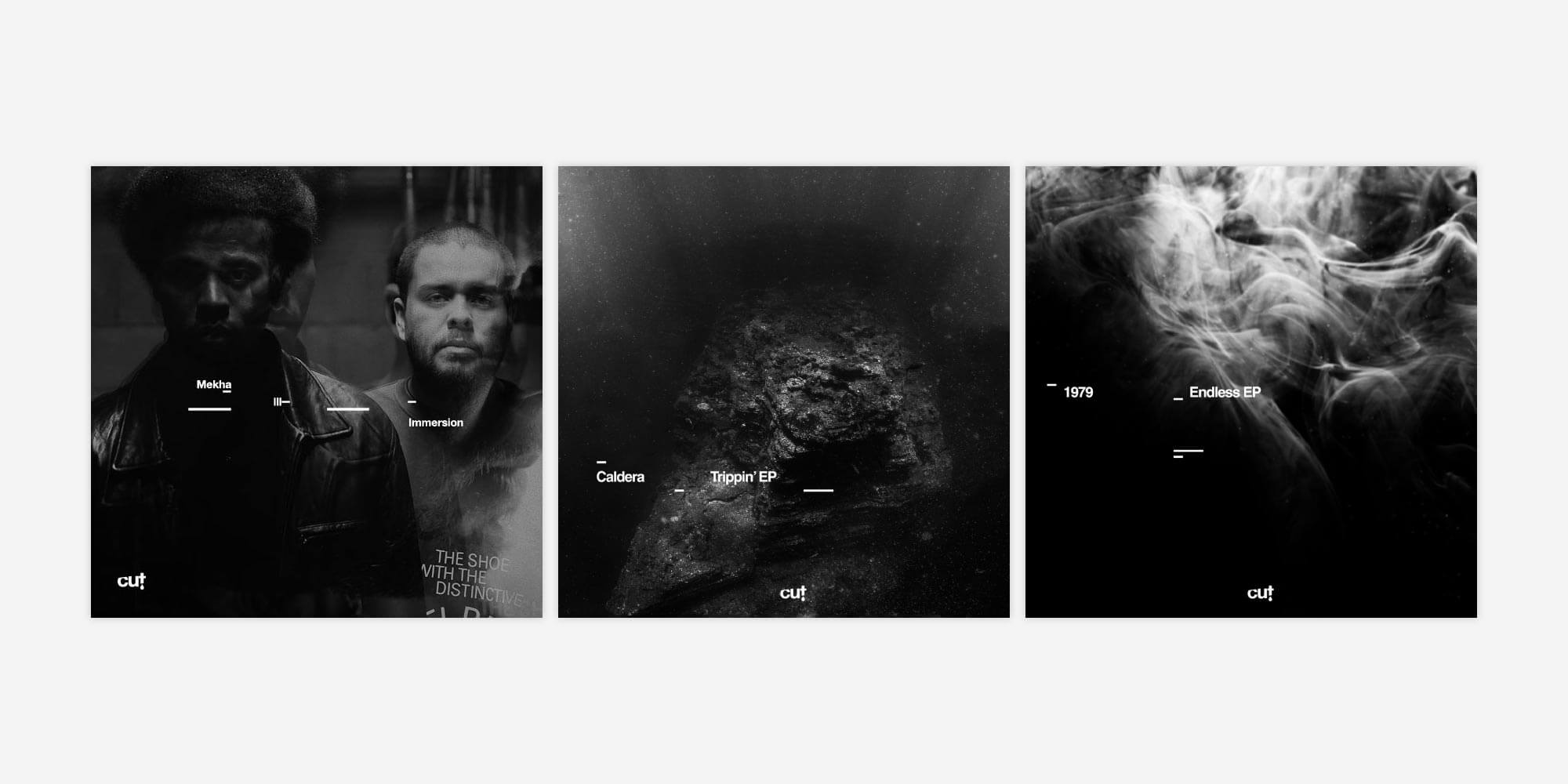
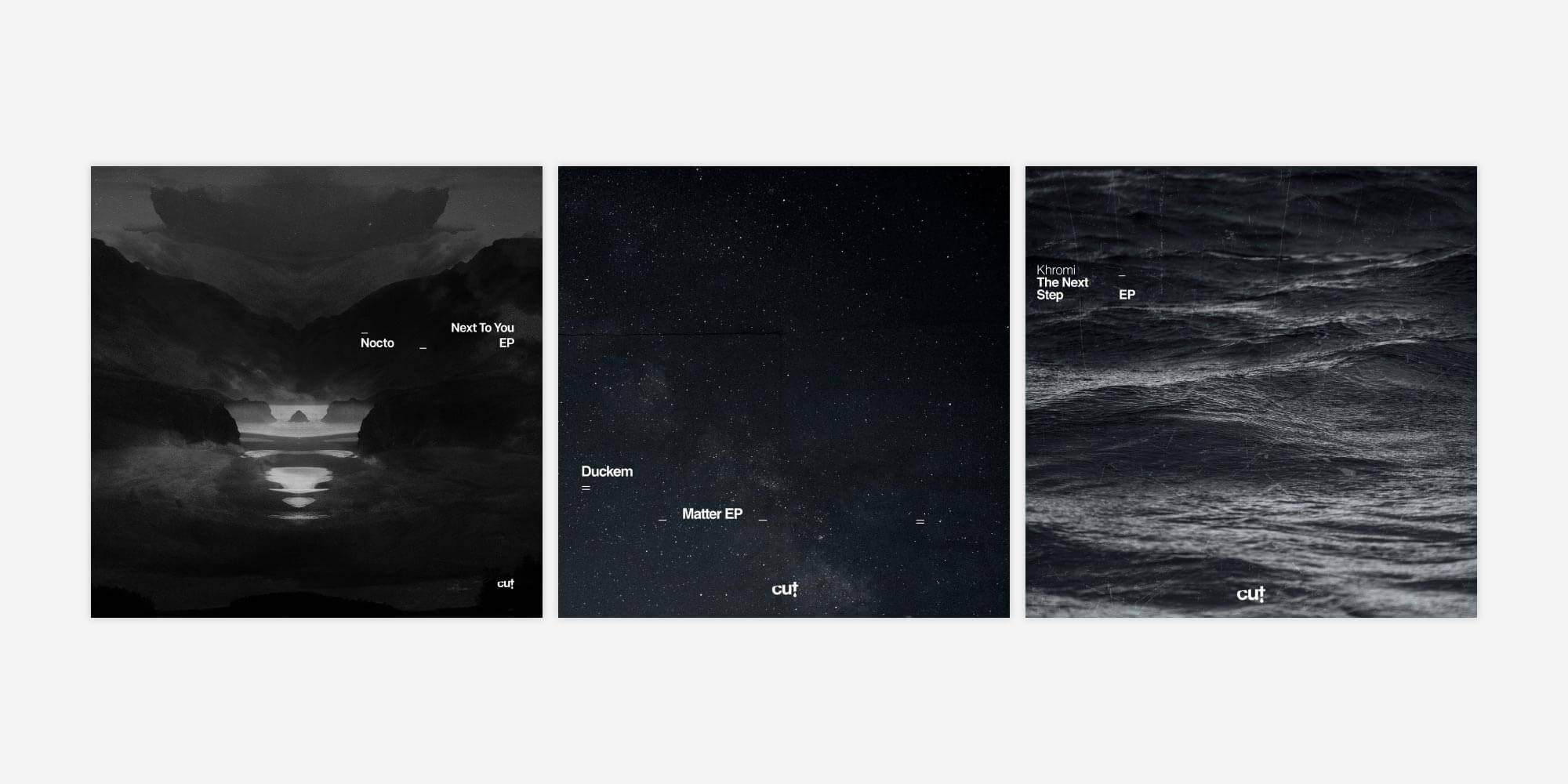
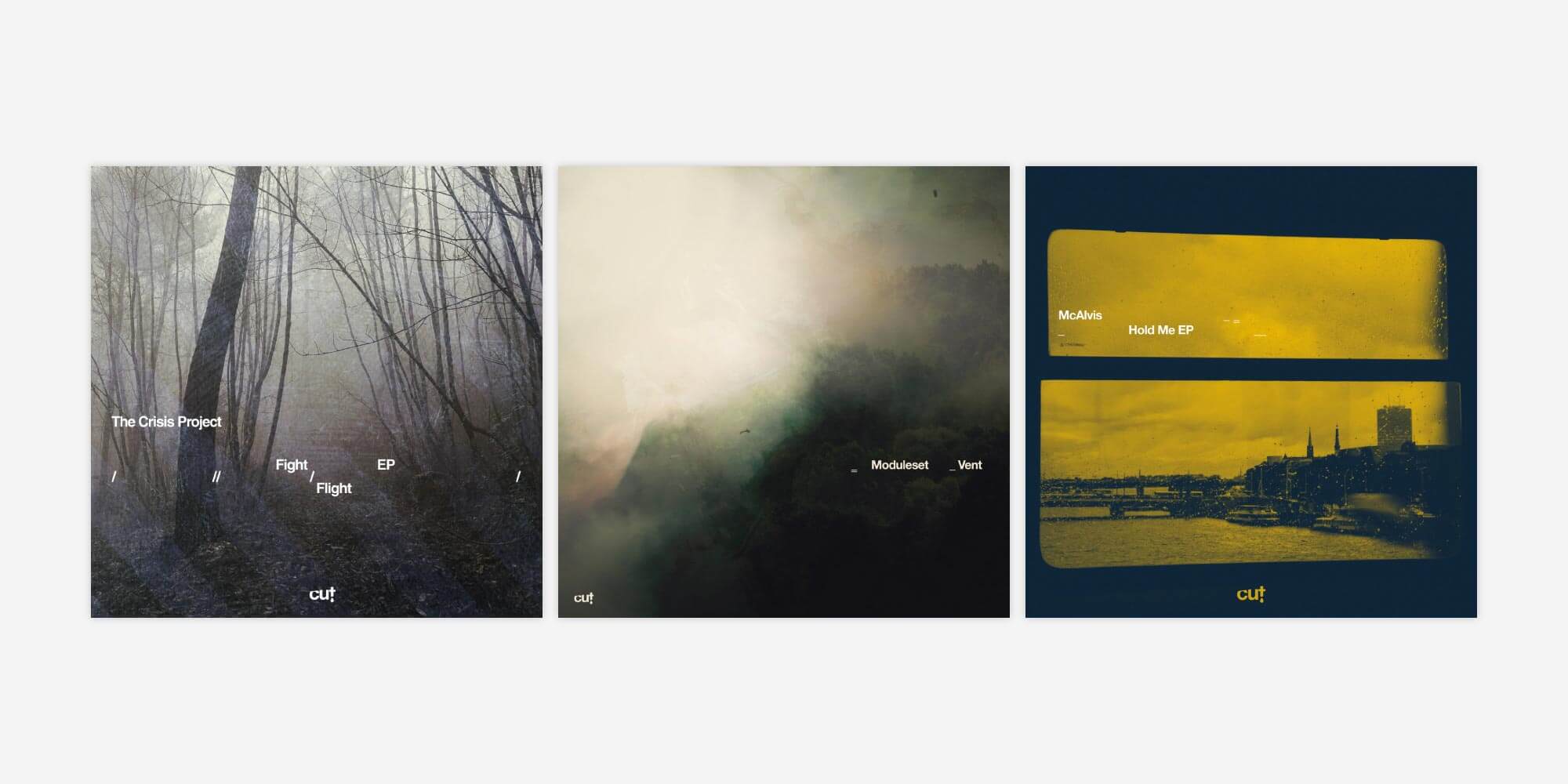
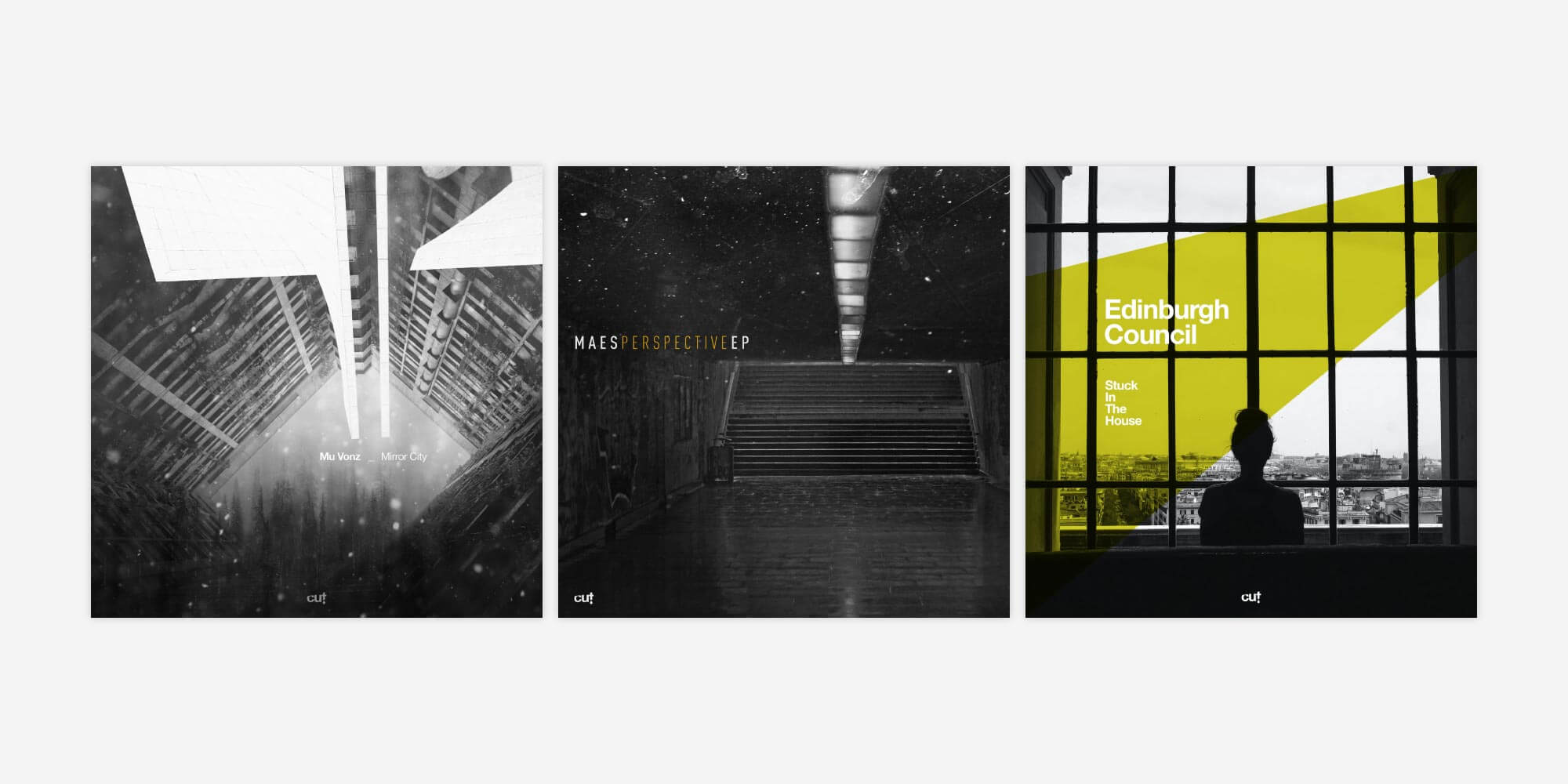
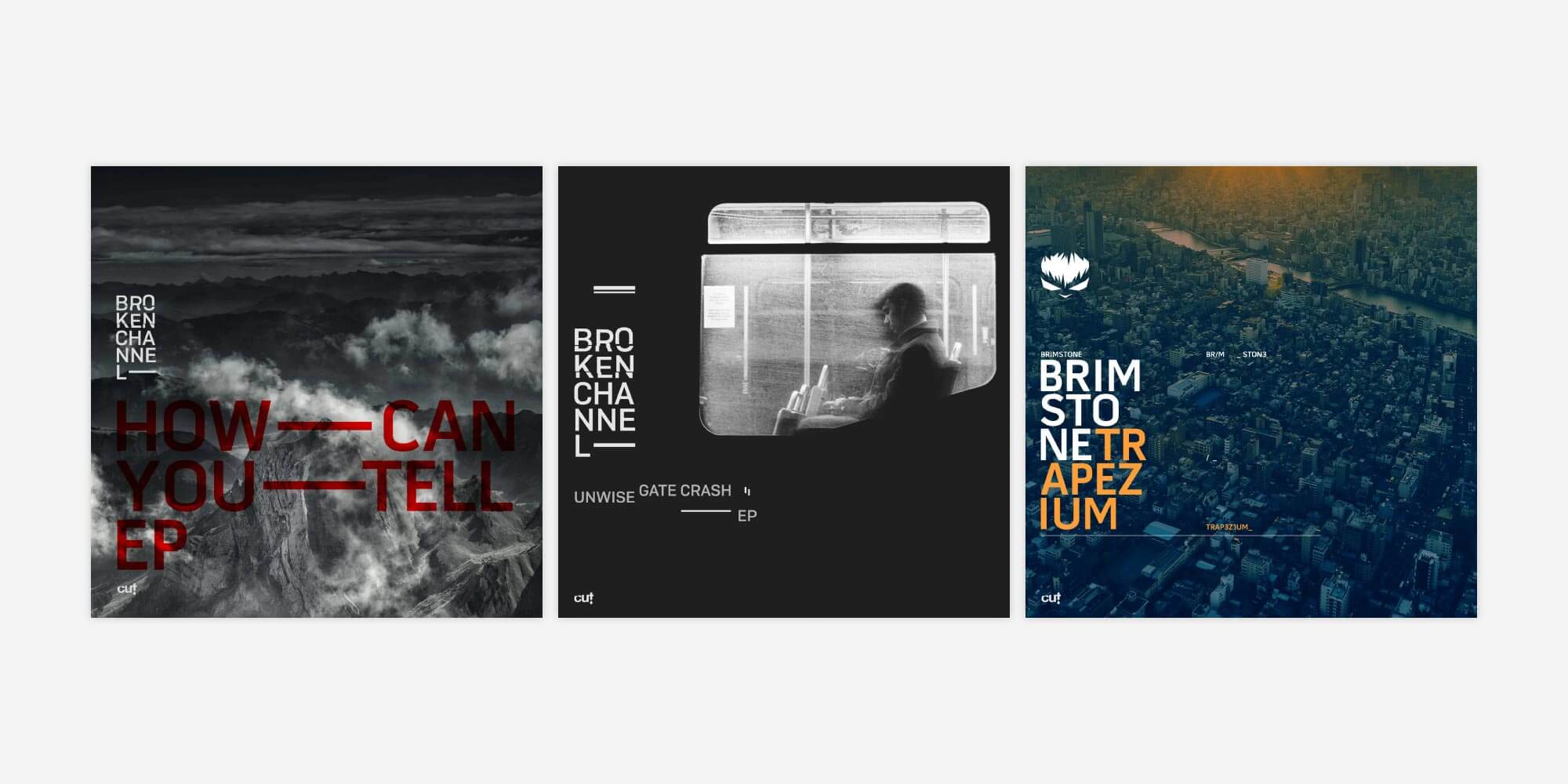
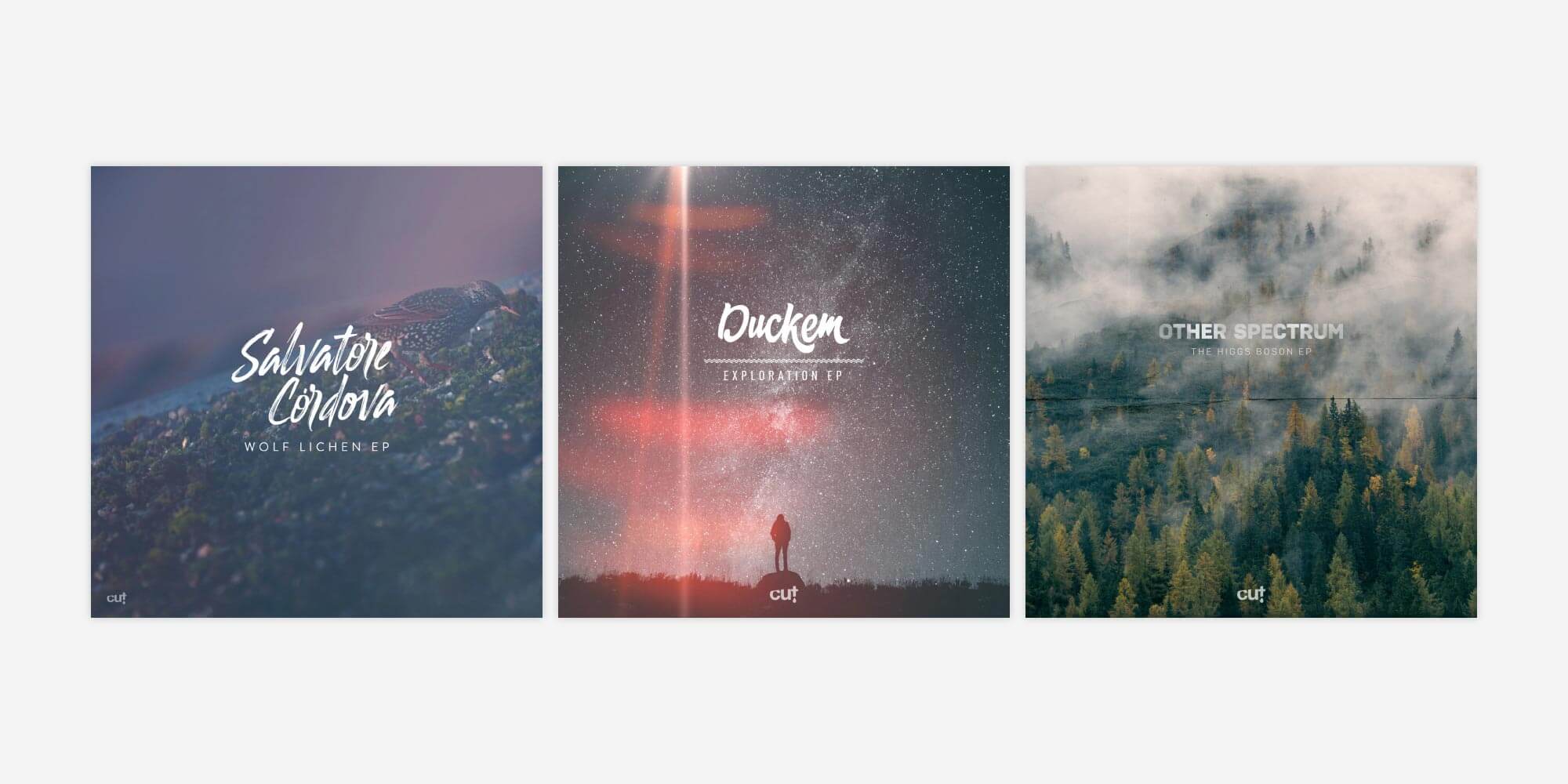
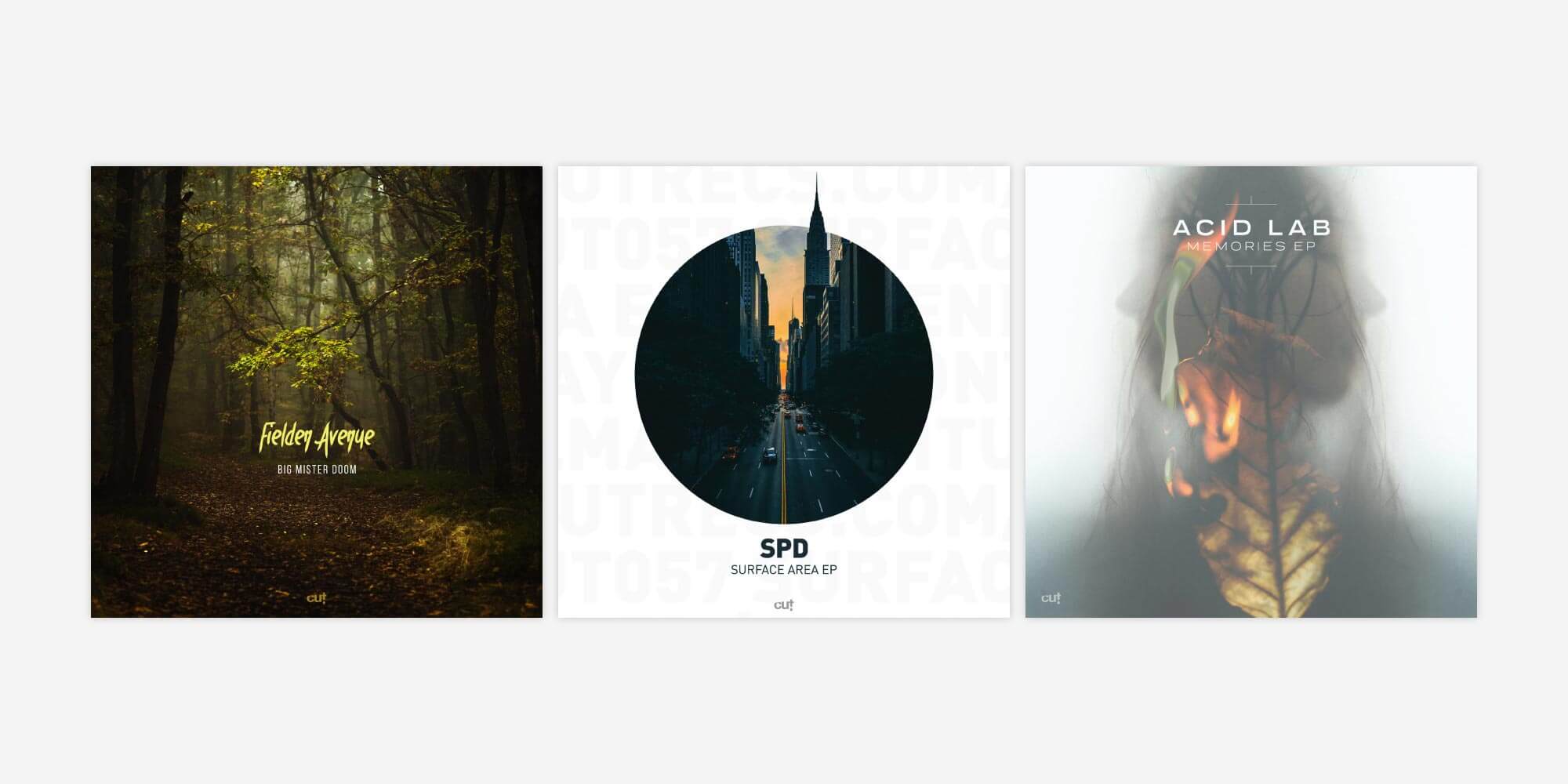
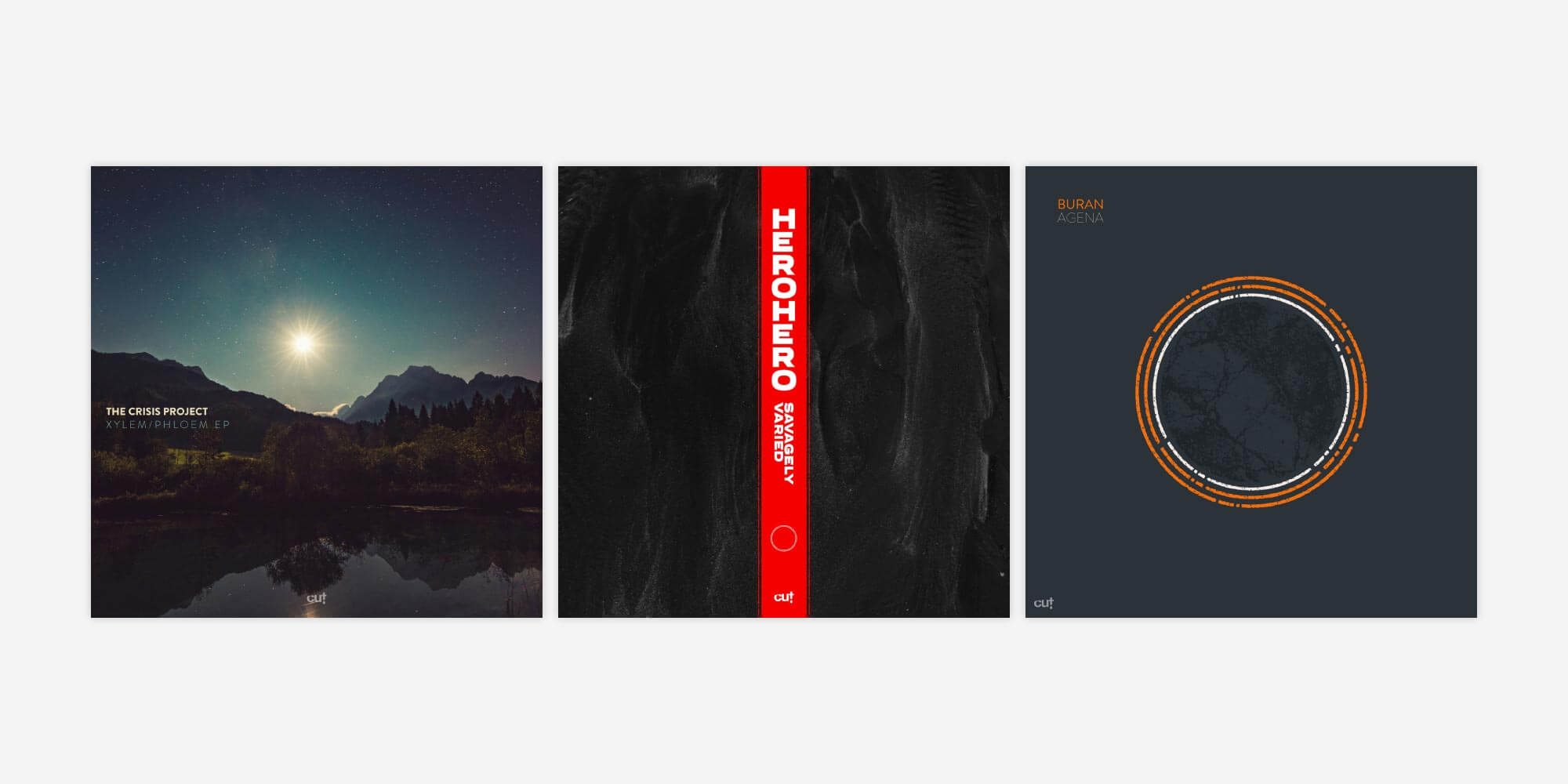
Cut had an identity, but I never wanted every release to look like it came out of a template.
The green, grey and white gave the label itself something recognisable, while the records were allowed to become their own things.
For most releases, I'd put the music on and see where it took me.
Sometimes that meant photography.
Sometimes typography.
Sometimes fairly substantial image manipulation.
Occasionally an artist arrived with their own visual idea or artwork and I'd work with it, but the vast majority of the catalogue was designed from scratch by me.
The result was less a rigid design system and more than 60 opportunities to try something different.
As Cut grew, so did the cost of running it.
I was paying for mastering.
Promoting releases.
Running the website.
And, by this point, emailing around 14,000 people whenever something new came out wasn't particularly cheap either.
The pay-what-you-want model helped, but not enough to reliably cover everything.
Cut had built an audience.
It just hadn't built a business.
So I tried something else.
A friend pointed out that I didn't actually need thousands of people to pay for Cut.
A few hundred people paying a tiny amount each month would probably be enough.
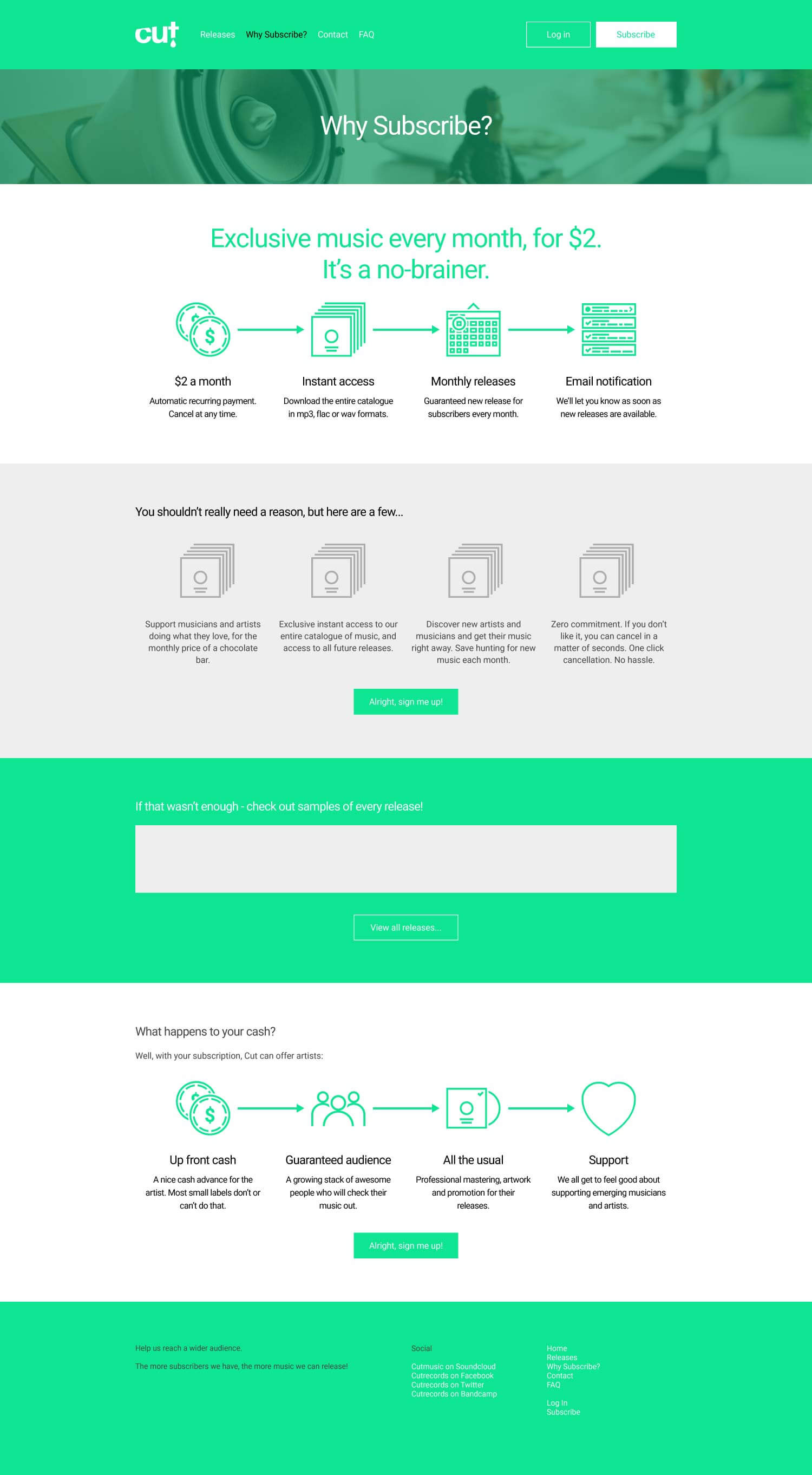
So Cut became a subscription label. Long before Patreon or Bandcamp subscriptions existed.
Subscribers paid roughly the price of a chocolate bar and got a new release every month.
For listeners, it became a simple way to regularly discover new electronic music.
For artists, the proposition was slightly more unusual.
They received an upfront payment for their music, professional mastering, original artwork and access to a guaranteed audience of people who had actively paid to hear something new.
A couple of hundred people signed up initially.
Eventually that settled at around 400 paying subscribers.
Not exactly Spotify (which was in its infancy at the time).
But enough to keep a tiny independent record label moving.
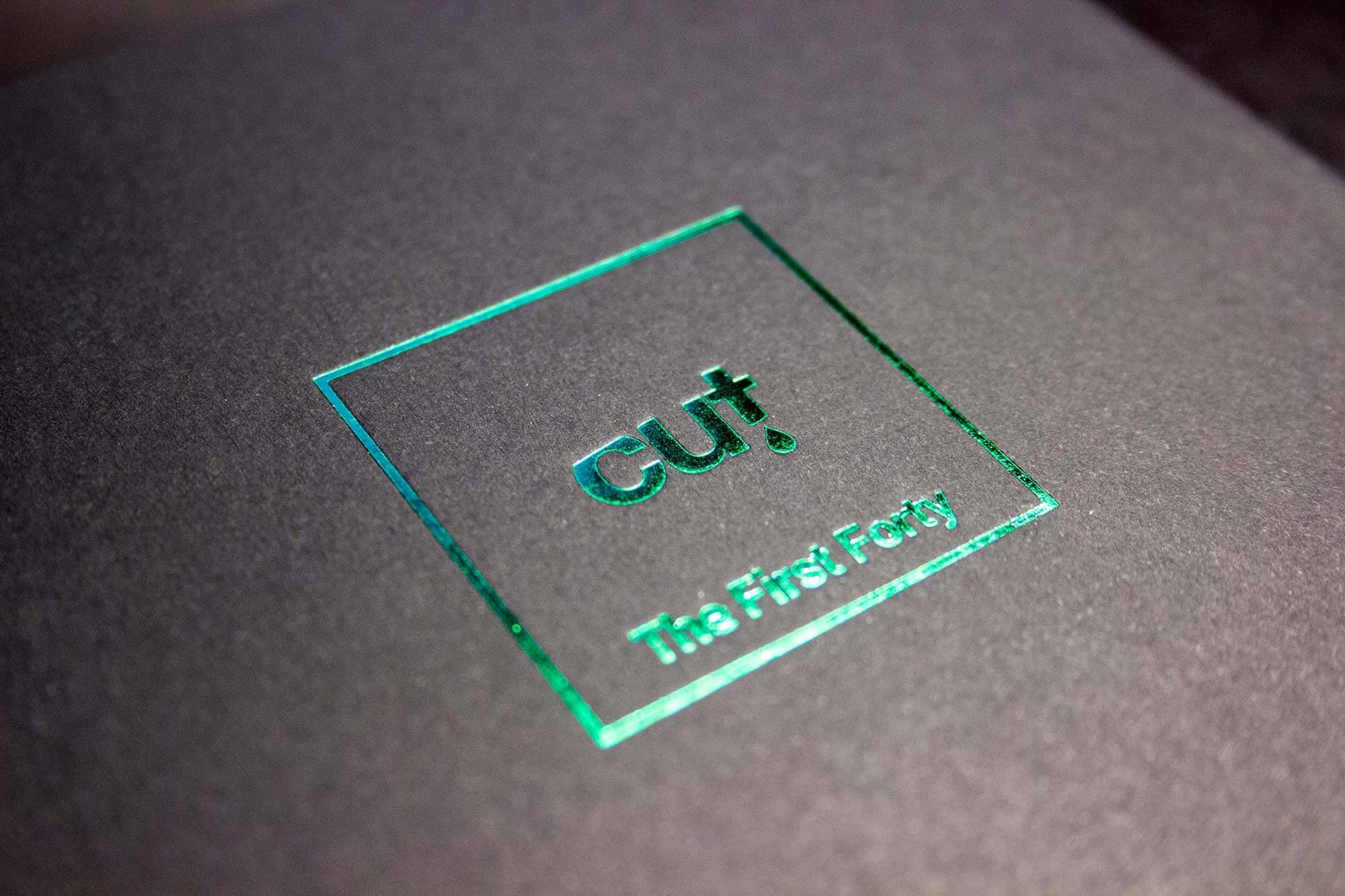
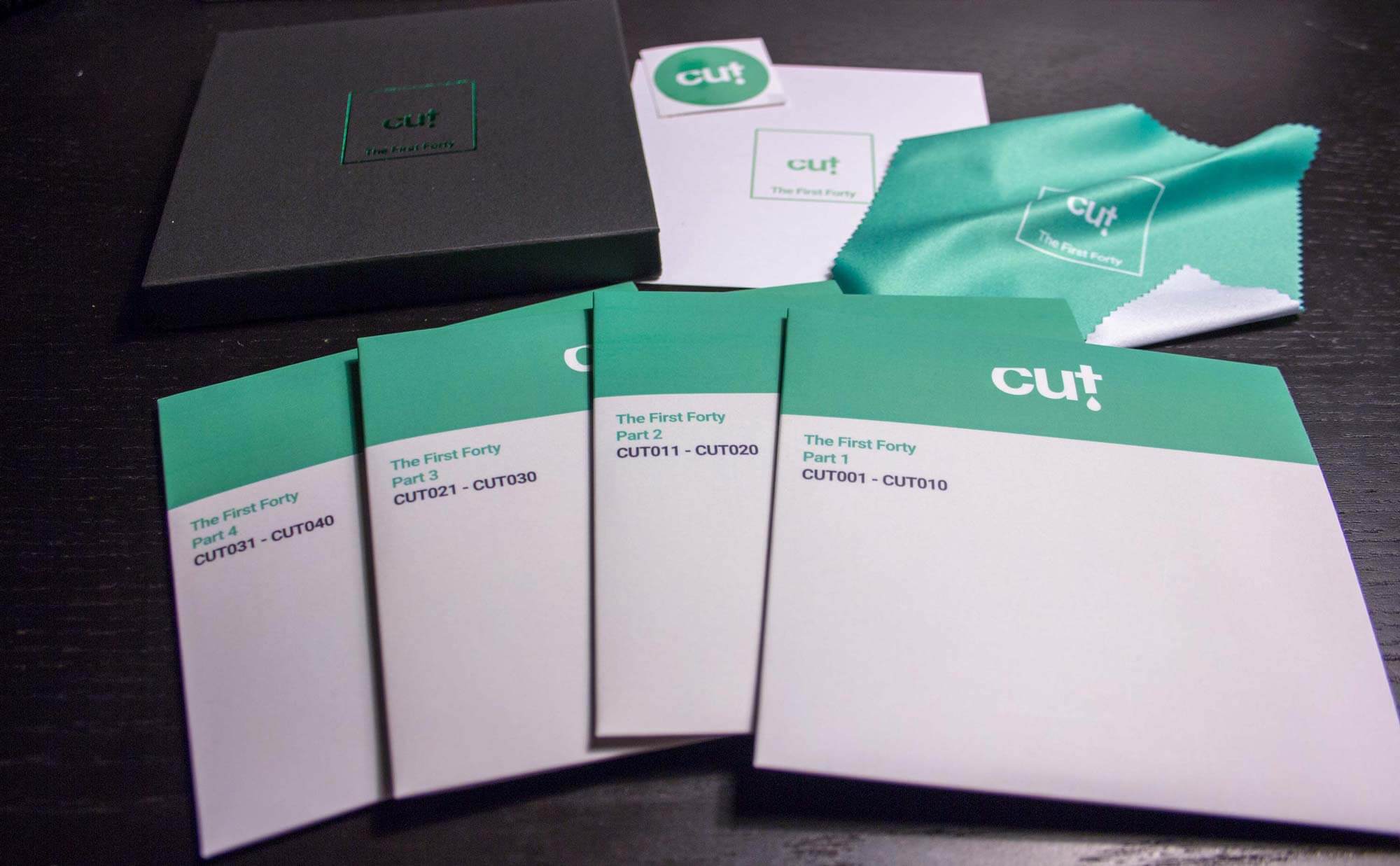
As Cut approached its 40th release, I wanted to make something physical to mark it.
So I crowdfunded The First Forty.
One track from every Cut release to that point.
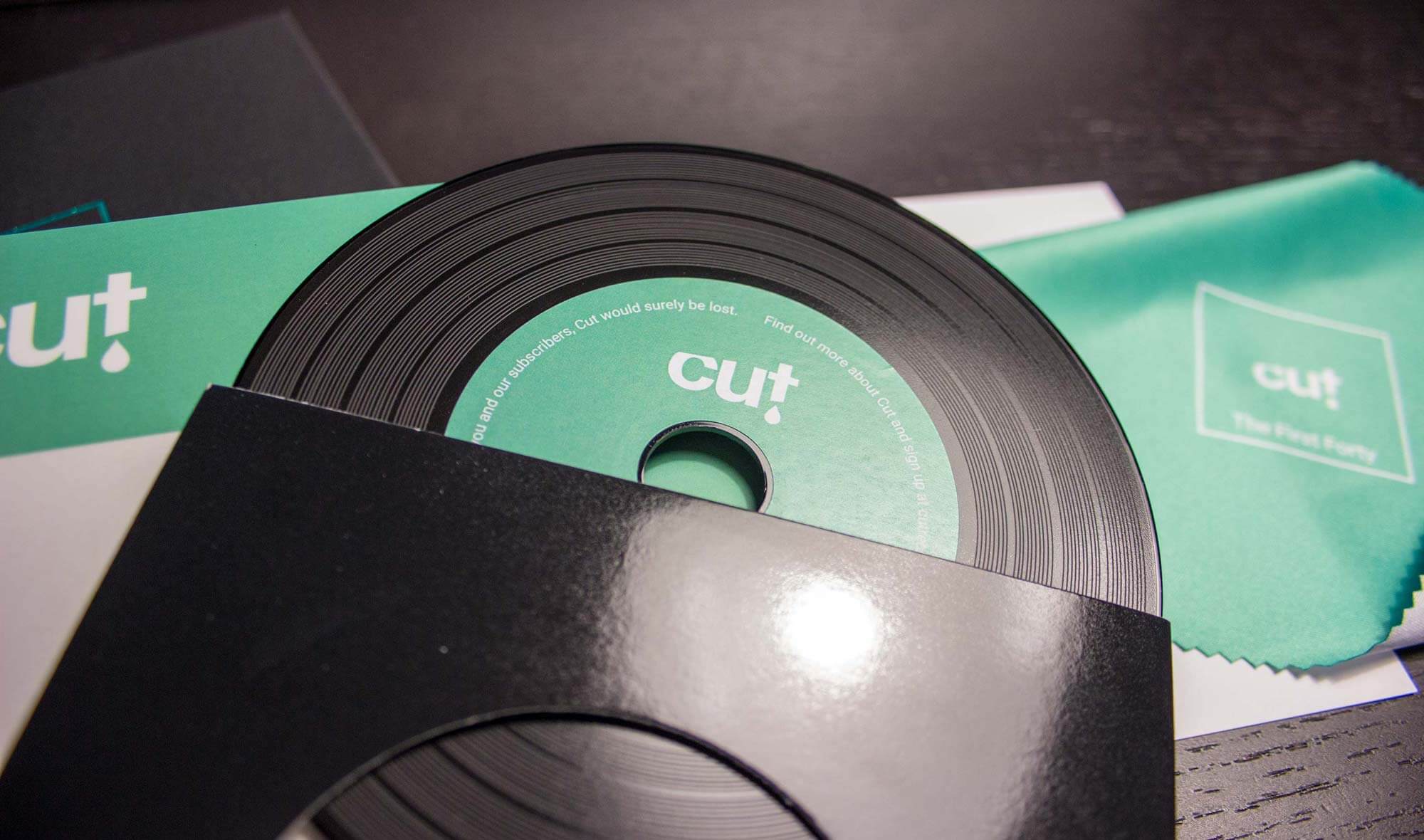
Forty tracks across four CDs, packaged as miniature records with individual vinyl-style sleeves and inner sleeves.
And because apparently miniature CDs pretending to be records weren't quite silly enough, every foil-blocked box also came with a Cut-branded green cloth and inserts.
Technically it was a lens cloth. With sufficient imagination, it was obviously for cleaning your tiny vinyl.
The crowdfunding campaign succeeded and we produced a limited edition of 100 box sets.
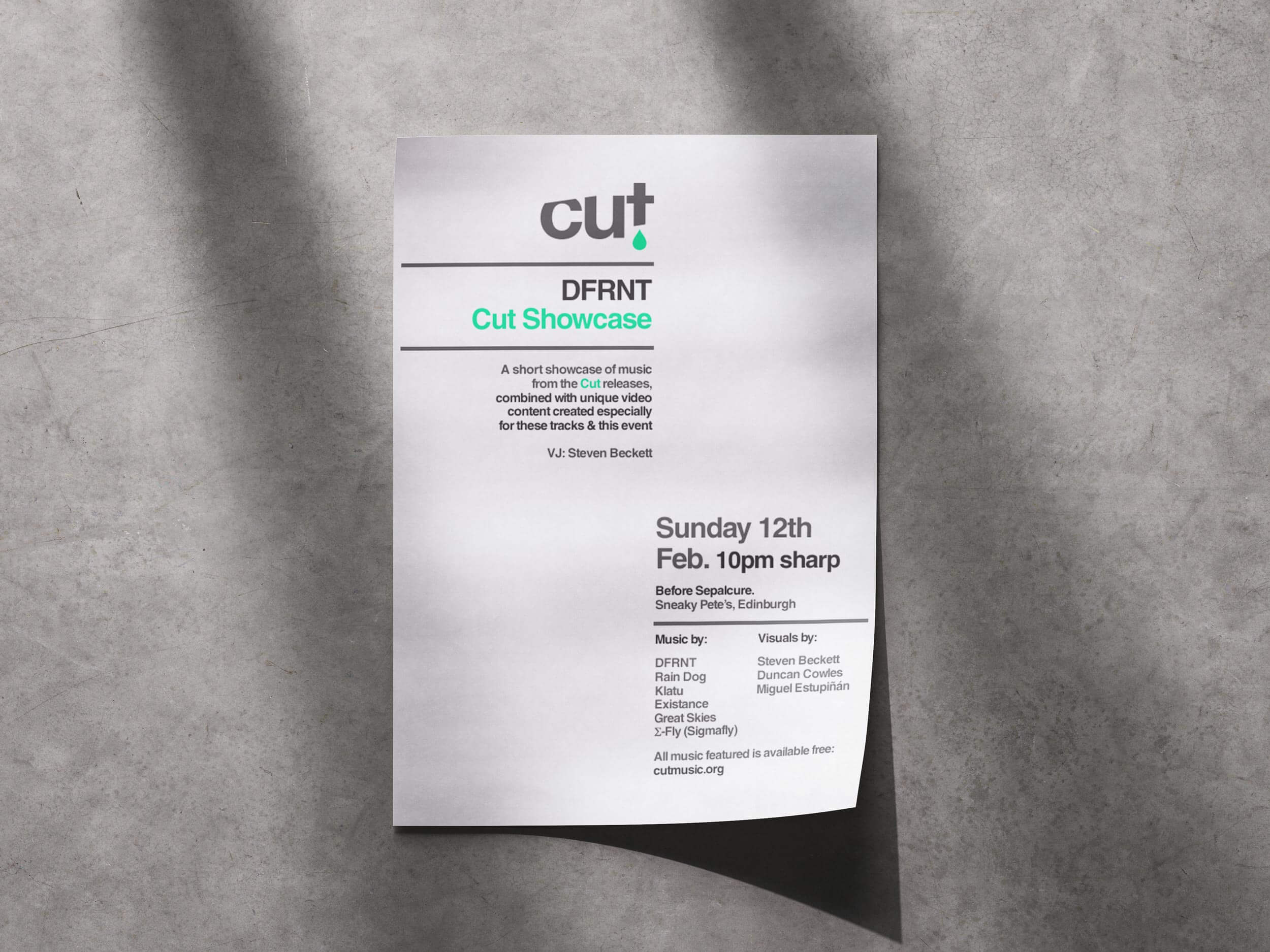
Cut was primarily a digital label, but it wasn't entirely confined to Bandcamp pages and inboxes.
I ran a small Cut showcase in Edinburgh, supporting Sepalcure on one of their UK dates, complete with its own promotional material and custom visuals.
The label also gave me another way to support artists I was discovering around me — particularly while I was living in Latvia, where I could use the audience Cut had built to help introduce lesser-known Baltic producers to listeners elsewhere.
The subscription model worked.
But it created another problem.
I'd promised people something good every month.
That meant constantly finding music, selecting tracks, working with artists, arranging mastering, designing artwork, preparing releases and promoting them — whether or not life had left enough room to do any of those things properly.
As Cut approached 50 releases, subscriber numbers had plateaued at around 400 and keeping the monthly schedule going was becoming increasingly difficult.
I didn't want the catalogue to get worse simply because I'd promised to fill a slot.
So in 2016 I cancelled the subscription model and turned Cut back into a more conventional label.
Releases became less frequent.
Eventually, much less frequent.
Cut still exists, with occasional releases rather than a monthly subscription.
Along the way it became a catalogue of 63 releases, a mailing list of around 14,000 people, a subscription service with around 400 paying listeners, a crowdfunded box set and a live event.
It also gave emerging artists proper releases and an audience for their music.
Which isn't bad for a logo I designed while waiting for a tartiflette.
Cut Records is one part of a broader creative practice spanning music, visual identity, packaging and live events.
Explore the Stillhead story Back to all work